


1.Scope
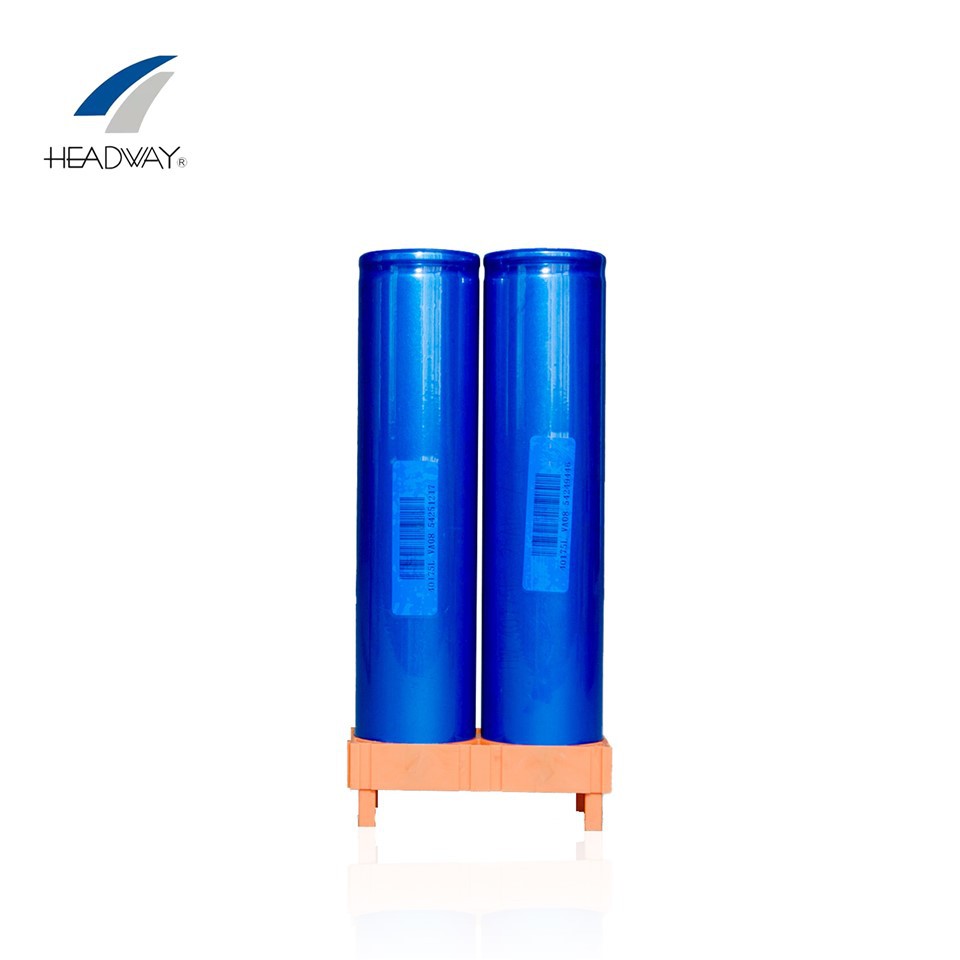
This specification describes the type and size, performance, technical characteristics, warning and caution of the lithium ion rechargeable cell. The specification only applies to HW 40175L cell supplied by Zhejiang Xinghai Energy Technology Co., Ltd.
2. Definition
2.1 Rated capacity:
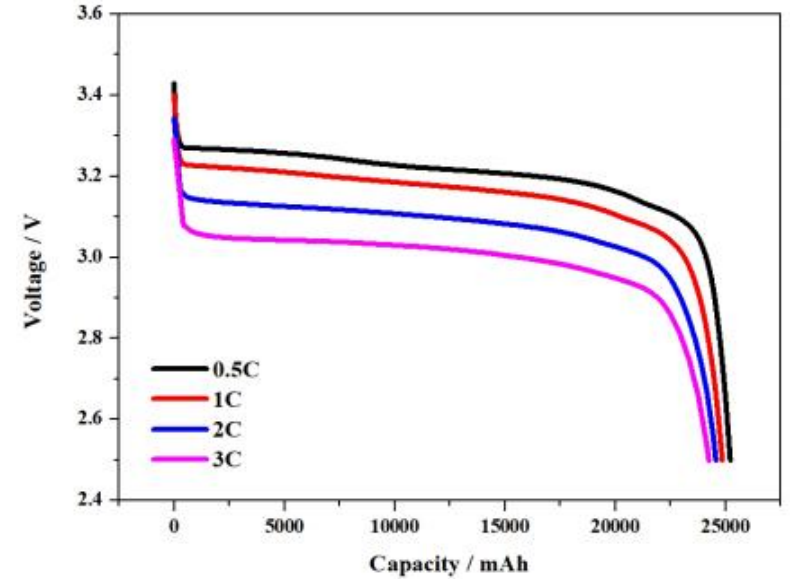
Rated capacity =25Ah, the capacity obtained when a cell is discharged at 5-hour rate to voltage 2.0 V at 25±2.5 OC.
2.2 Standard chargemethod:
At 25±2.5 OC, charged to 3.65V at a constant current of 0.5C, and then, charged with constant voltage of 3.65V until the charged current drops below 0.01C.
2.3 Standard dischargemethod:
At 25±2.5 OC, discharged to 2.5 V at a constant current of 1C.
3. Cell type, bar code, appearances, anddimensions
3.1 Celltype
HW 40175L
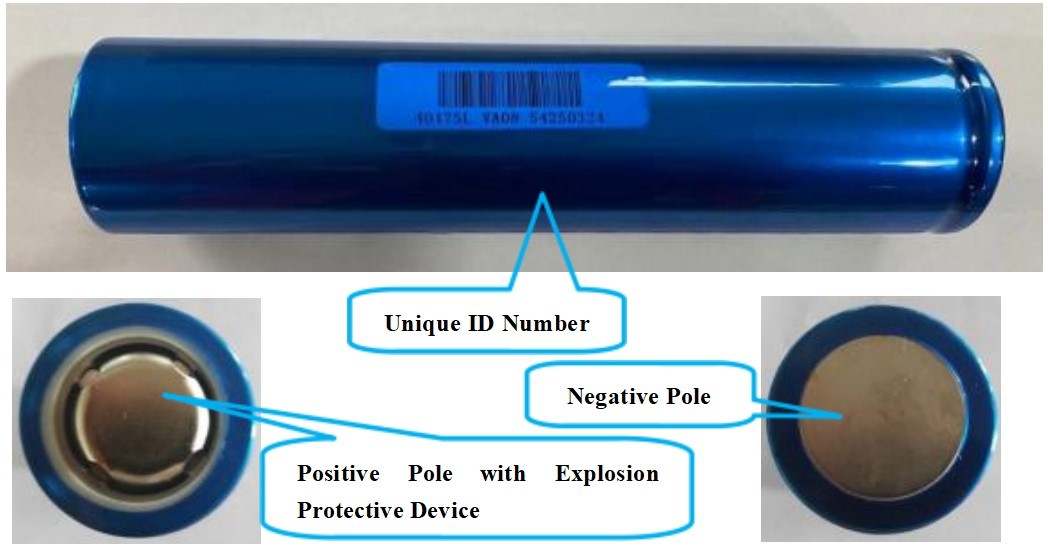
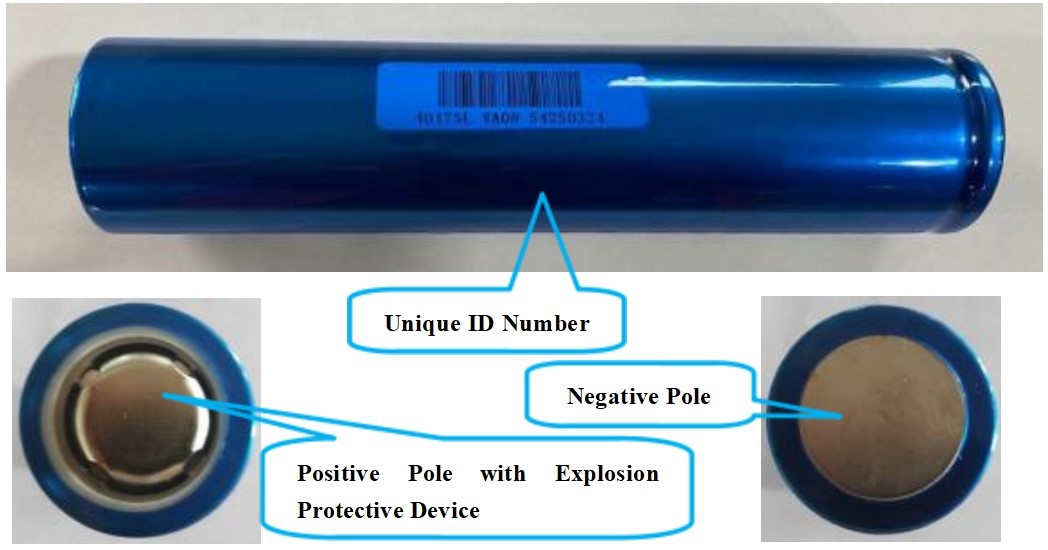
3.2 Cell bar codeandappearances

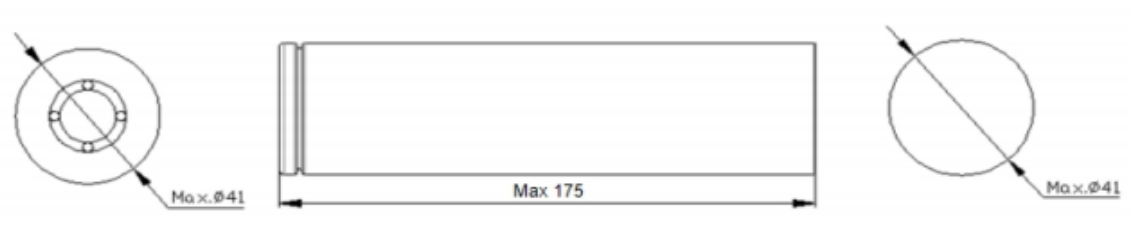
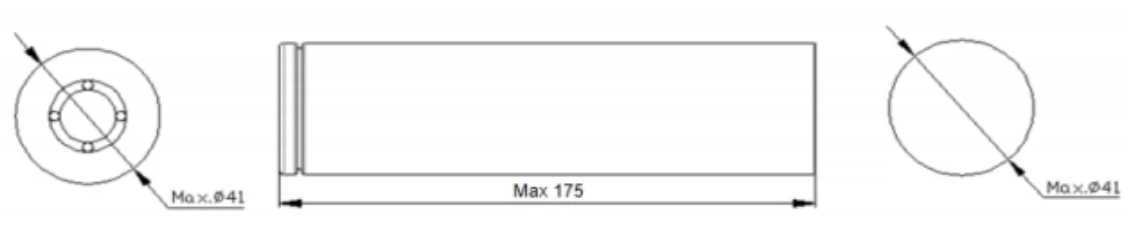
3.3 Celldimensions:
5.2 Environmental and safety characteristics
ITEM | TEST METHOD | CRITERIO N |
5.2. 1 Over discharge | Under the battery discharge to the cut-off voltage, then discharge with 0. 1C, until the voltage of battery is zero. | No explosion, no fire, no leakage |
5.2.2 Over charge | After the battery fully charge, overcharge with 0.5C for one hour. | No explosion, no fire, no leakage |
5.2.3 reverse charge | After the battery fully charge, with 1/6C reverse current constant current charging for 8h. | No explosion, no fire, no leakage |
5.2.4 130℃ high temperature | After the battery is fully charged, the battery is placed in the oven for 3OC ~ 7OC / min heating rate, the temperature rose to 130 OC after the start time, and (130 ± 2) OC temperature range of security within 1h. | No explosion, no fire, no leakage |
5.2.5 High and low temperature impact | When the battery is fully charged, shelved at -40 OC for 1h, then shelved 1h at 85 OC, do such cycle for 32 times, then remove under room temperature for 6h. | No explosion, no fire, no leakage |
5.2.6 Vibration | When the battery is fully charged ,put the battery on the vibration table of amplitude 2mm, frequency 10Hz-30Hz for one hour. | No explosion, no fire, no deformation. |
5.2.7 Free fall drop | After the battery fully charge, let the battery fall from a height of 1.0m to the hard wood with thickness of 20mm, each surface for once. | No explosion, no fire, no leakage |
5.2.8 Soaking | After the battery fully charged, the battery was sink at room temperature, depth will be subject to immersion cell surface within 24 h, then take out under room temperature for 6 h. | No explosion, no fire, no leakage |
5.2.9 Extrusion | After the battery is fully charged, the battery surface with special equipment was squeezed until the batteries dimensions changed to 1 ~ 3mm. | No explosion, no fire |
5.2. 10 Short circuit | When the battery is fully charged, with the internal resistance of not more than 50mΩ wires connecting to the battery positive and negative extremes for 1h. | No explosion, no fire, no leakage |
5.2. 11 Constant temperature/hu midity/heat | After the battery fully charged the in the relative humidity of 90% ~ 95% of the constant temperature and humidity box, duration of 48 h, then take out under room temperature for 6 h. | No explosion, no fire, no leakage |
5.2. 12 Nail | A nail (diameter : 2.5~5mm) is penetrated vertically through the center of the fully charged cells. | No explosion, no fire, no leakage |
6. Warning in handling the lithium-ion cell
To prevent the possibility of the cell from leaking, heating, explosion, please observe the following precautions:
Don't immerse the cell in water;
Don't use and leave the cell near a heat source such as fire or heater;
When charging, use a cell charger specifically for that purpose;
Don't reverse the positive and negative terminals;
Don't discard the cell in fire or heater;
Don't connect the cell to an electrical outlet directly;
Don't discard the cell in fire or heater;
Don't connect the positive and negative terminal directly with metal objects;
Don't transport and store the cell together with metal objects such as necklaces, hairpins; Don't directly solder the cell;
Don't pierce the cell with a nail or other sharp object;
Don't leave the cell with low SOC for long time, it should keep the cell with around 50% for long term storage (less than 6 months). Should charge the cell to 50% SOC after each 6 months.
7.Shipping
During transportation , keep the battery from acutely vibration, impacting, polarization, drenching.