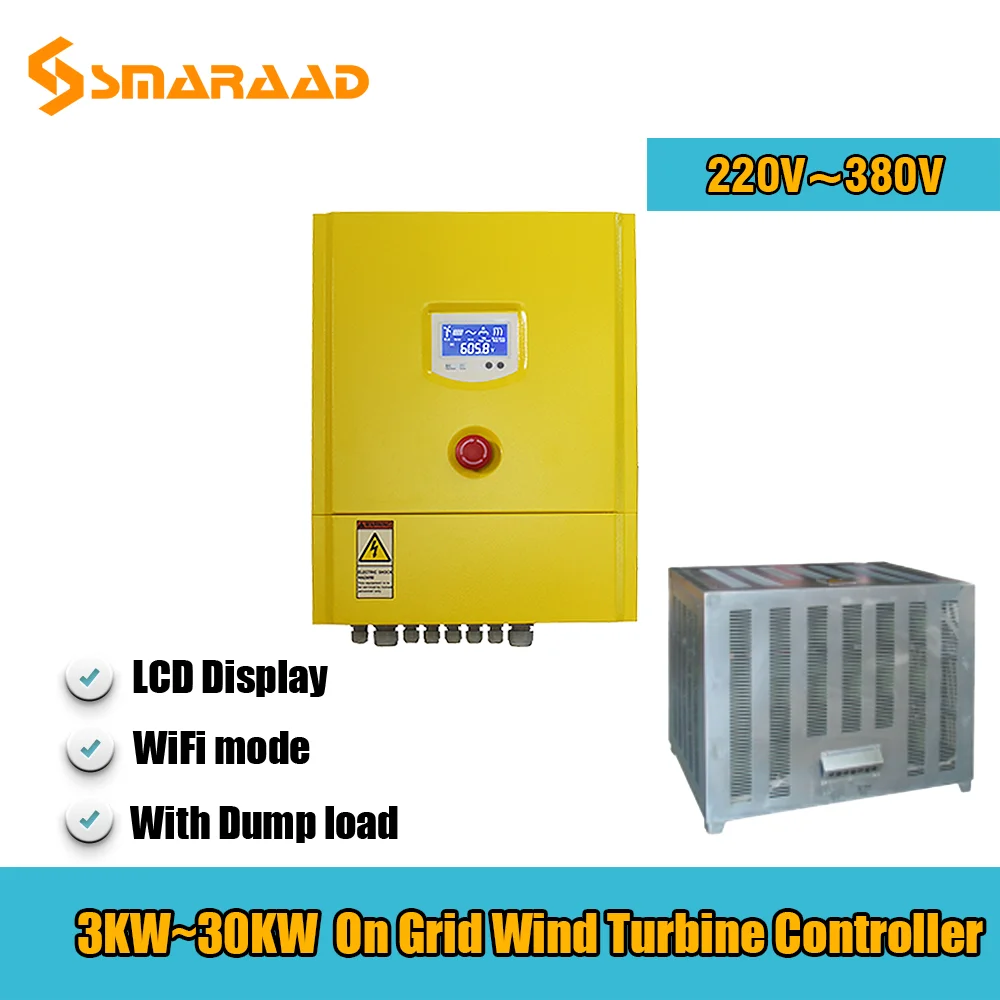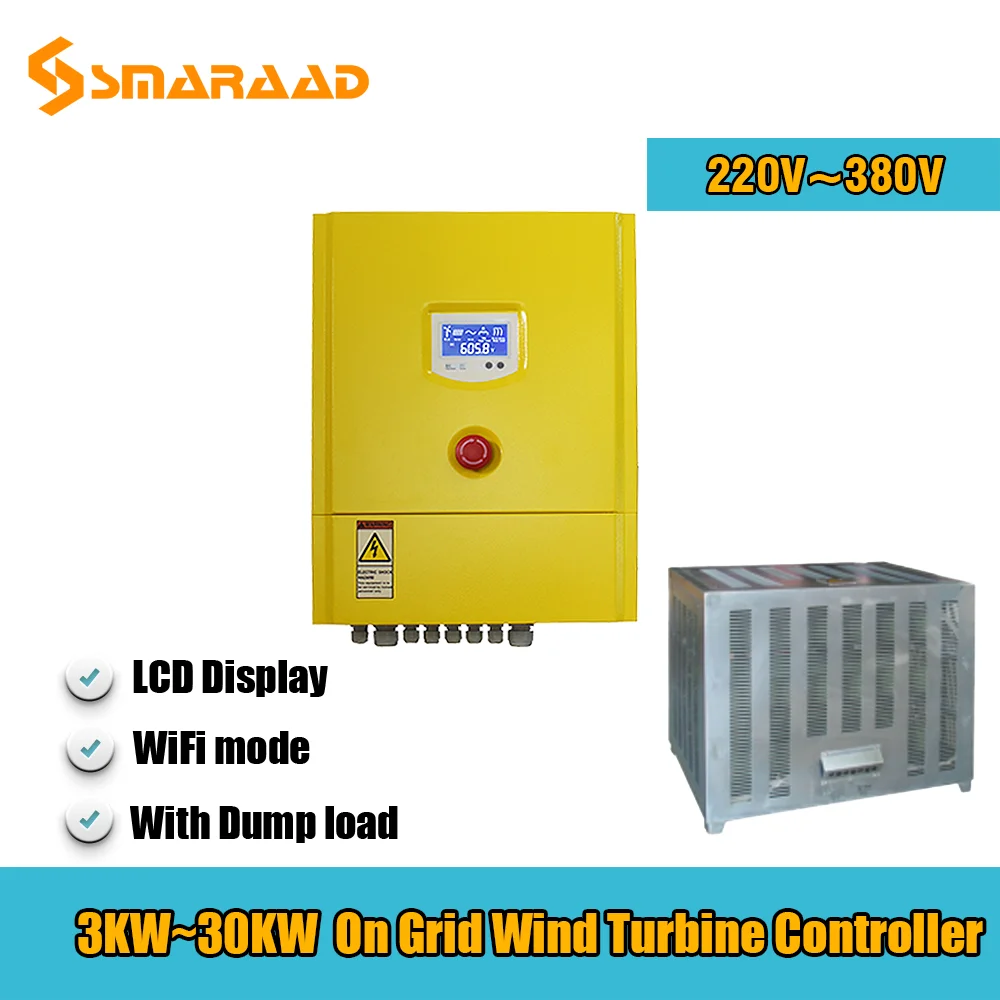
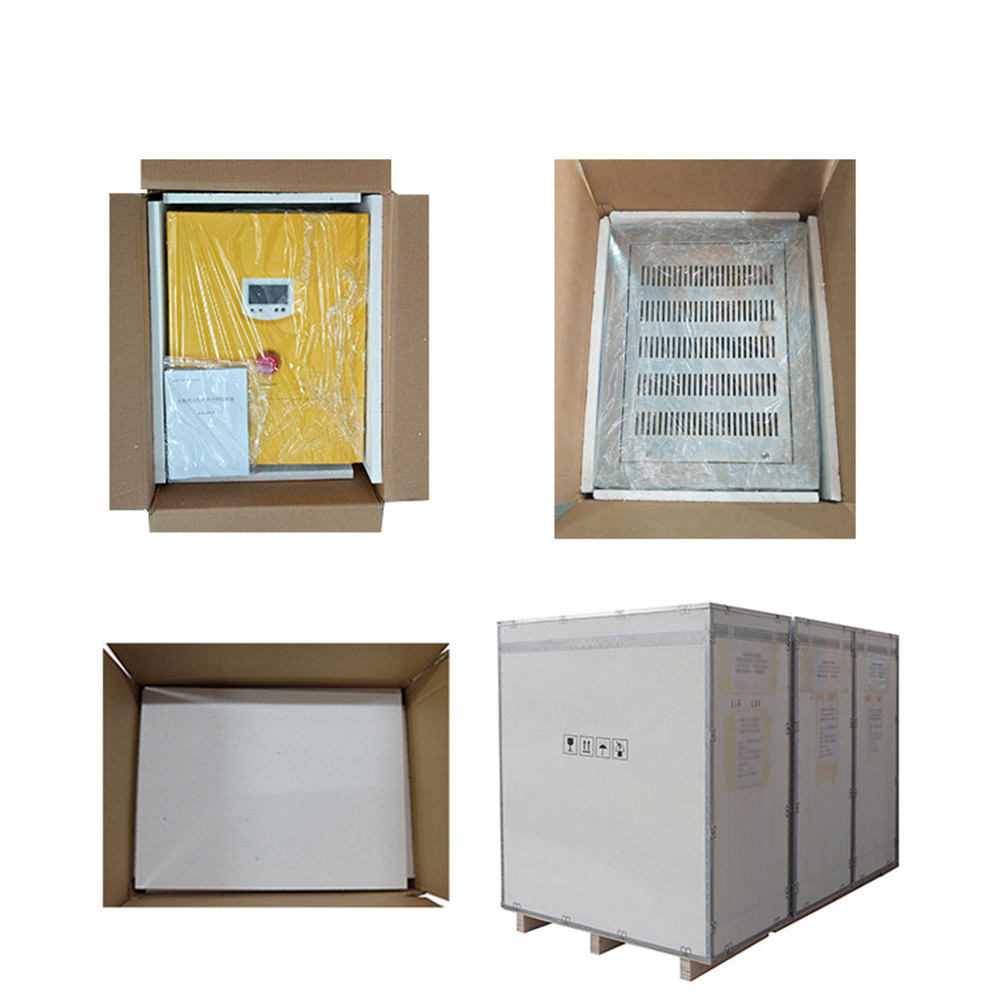
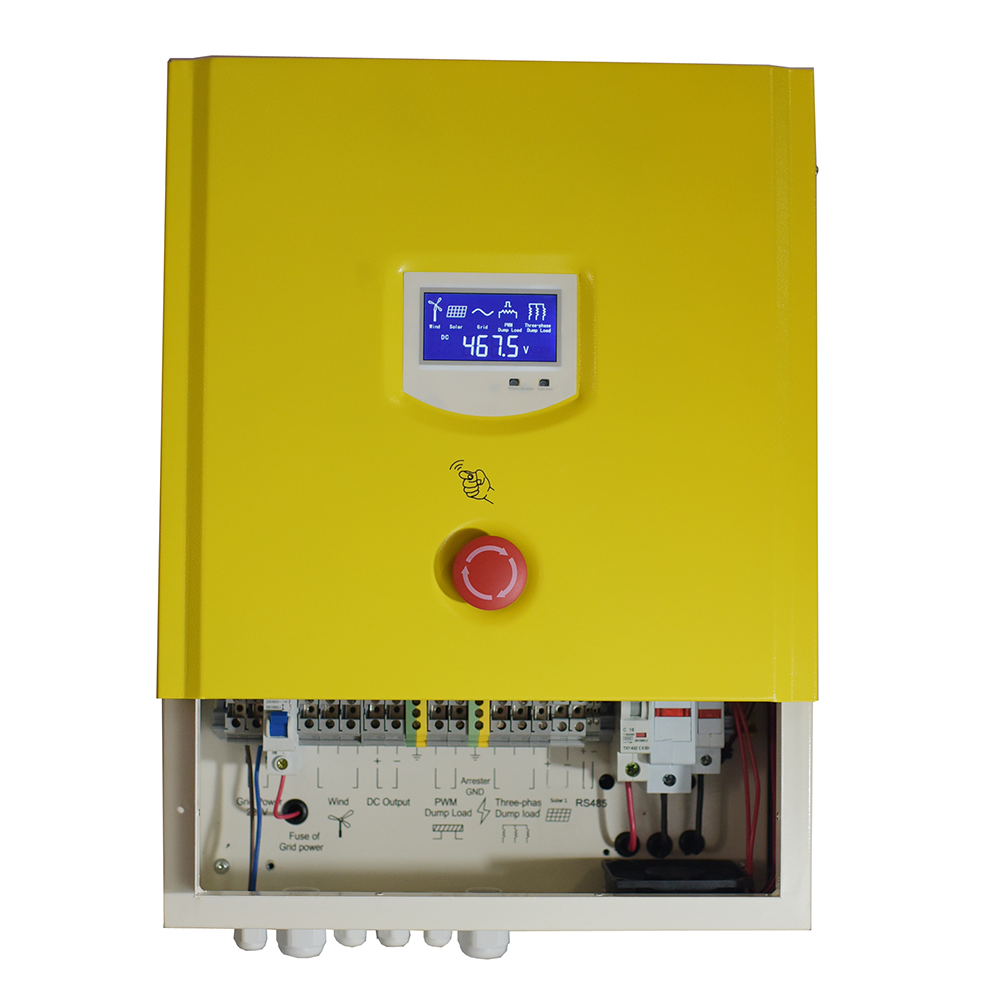
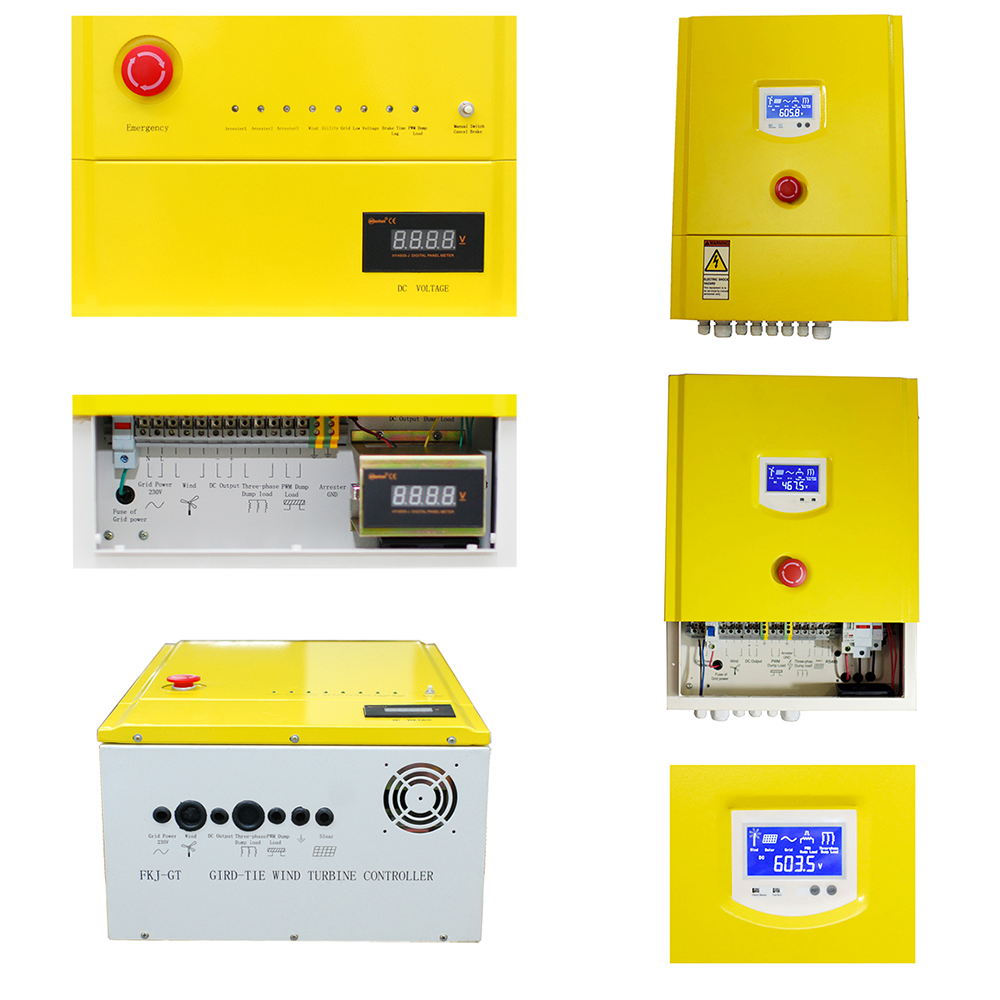
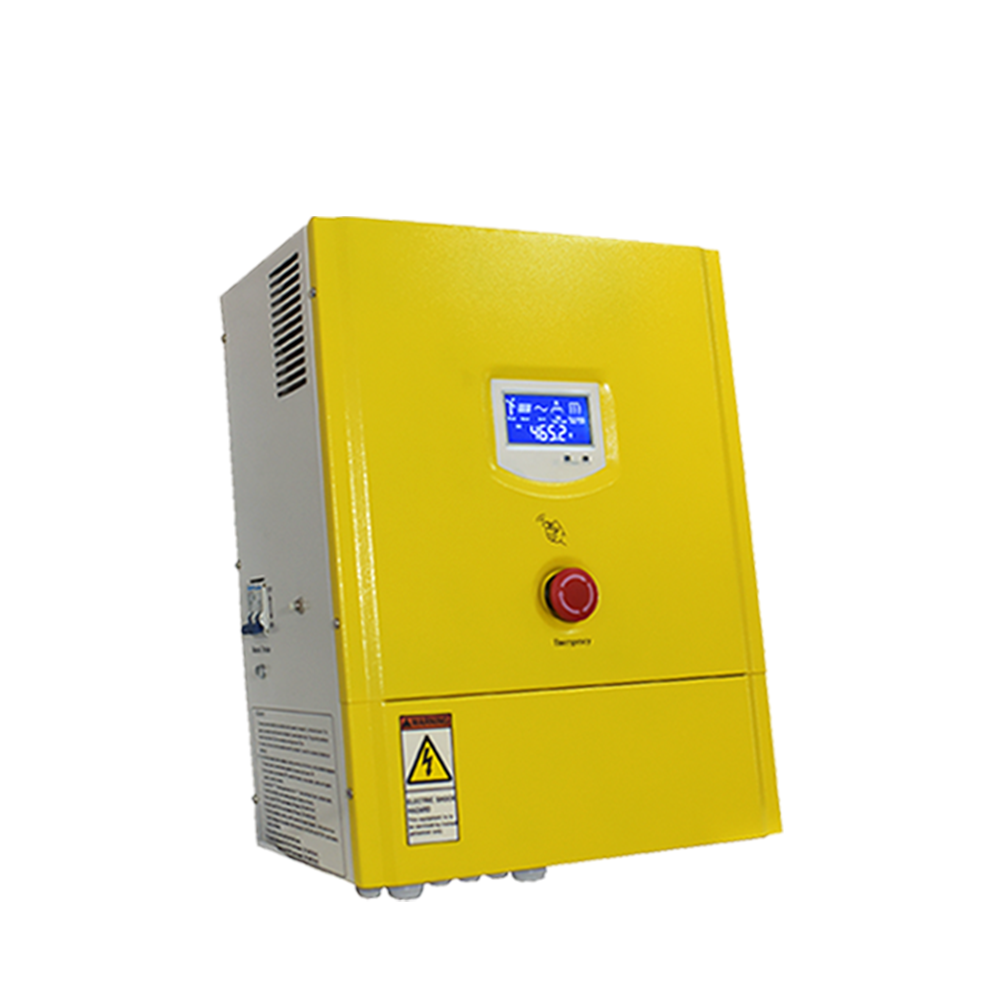
Packing List:
1) 1 PC Controller 2) 1 PC Dump load 3) 1 Set Installation screws 4) 1 PC User Manual

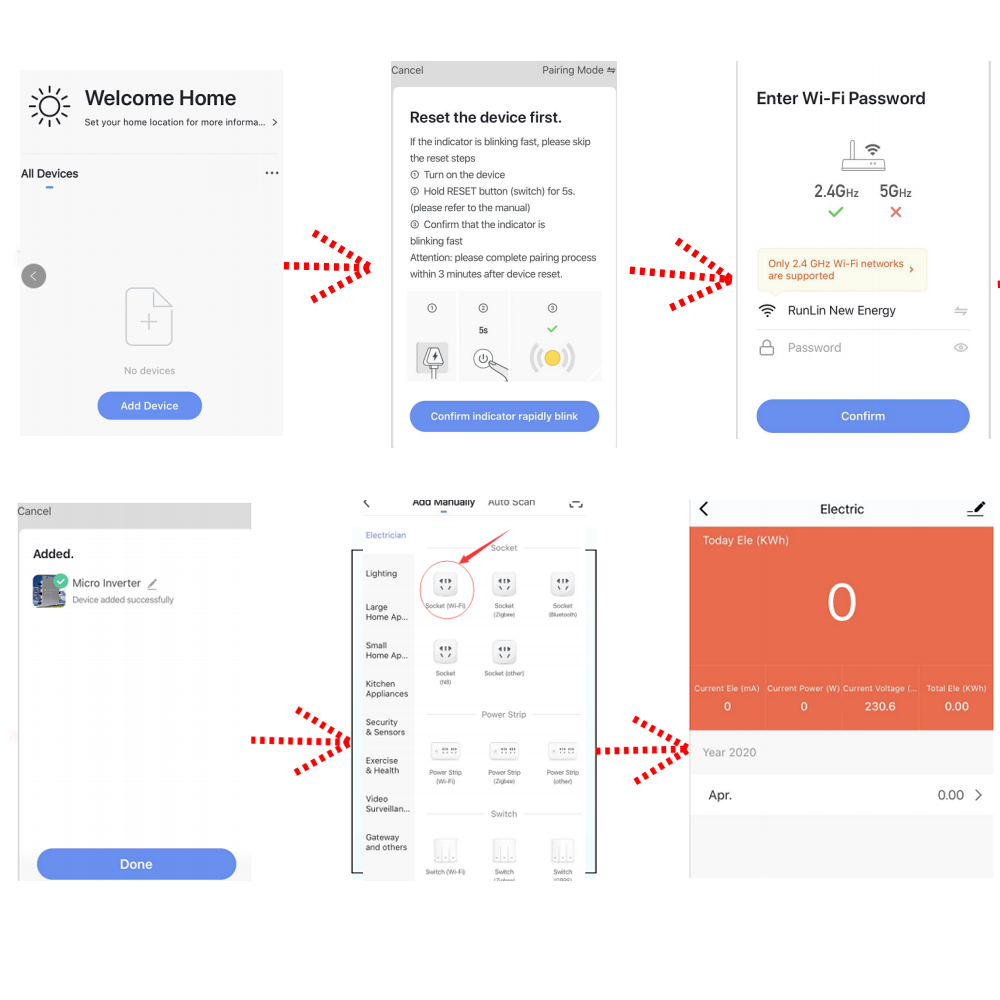
WIFI Communication:

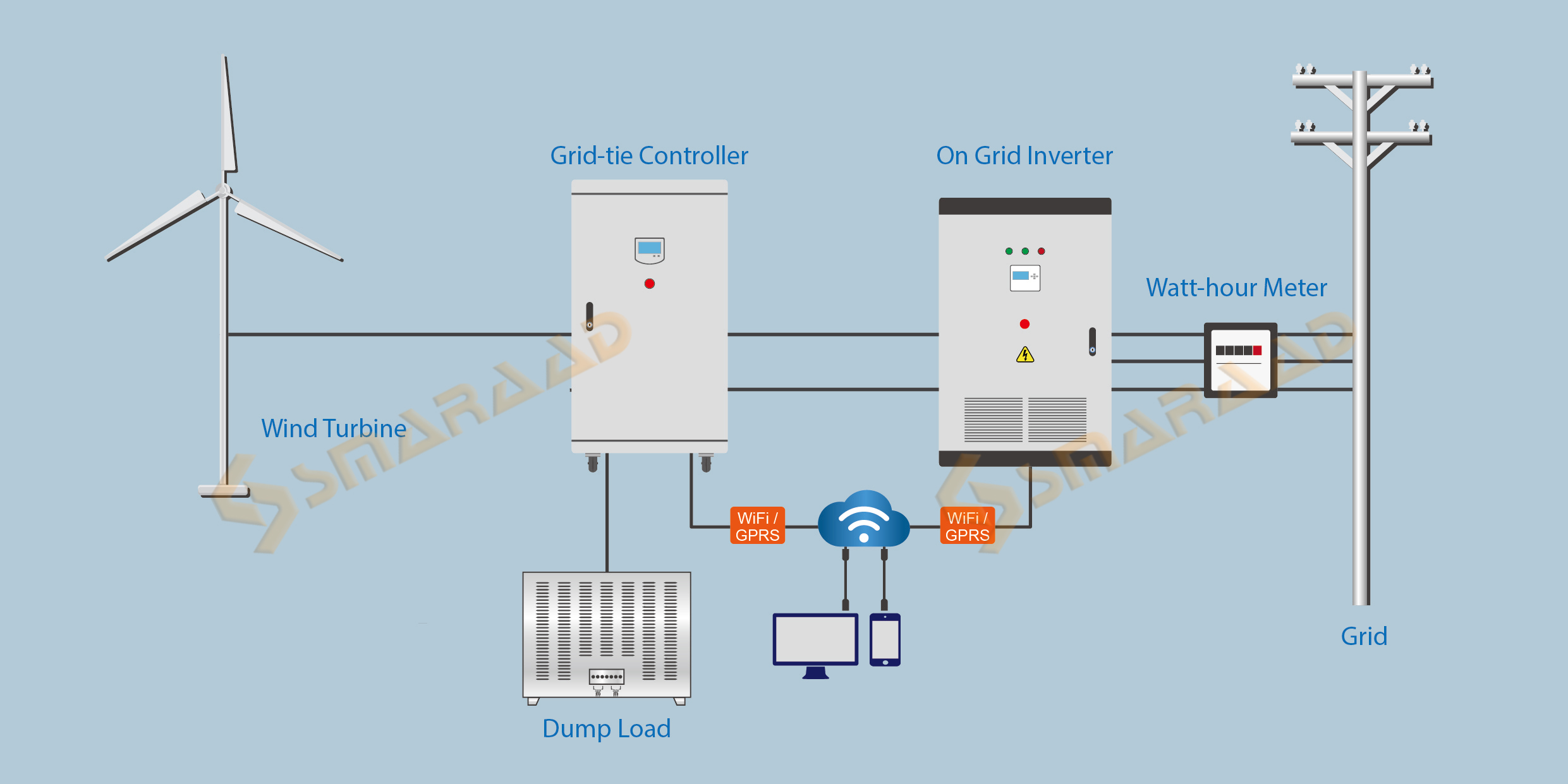
On grid system diagram
ADVANTAGES OF GRID-TIED SYSTEMS 1. SAVE MORE MONEY WITH NET METERING A grid-connection will allow you to save more money with wind generator through better efficiency rates, net metering, plus lower equipment and installation costs: ).Batteries, and other stand-alone equipment, are required for a fully functional off-grid wind system and add to costs as well as maintenance. Grid-tied wind systems are therefore generally cheaper and simpler to install. ).Your wind turbine generator will often generate more electricity than what you are capable of consuming. With net metering, homeowners can put this excess electricity onto the utility grid instead of storing it themselves with batteries. ).Net metering (or feed-in tariff schemes in some countries) play an important role in how wind power is incentivized. Without it,residential wind systems would be much less feasible from a financial point of view. ).Many utility companies are committed to buying electricity from homeowners at the same rate as they sell it themselves. 2. THE UTILITY GRID IS A VIRTUAL BATTERY ).Electricity has to be spent in real time. However, it can be temporarily stored as other forms of energy (e.g. chemical energy in batteries). Energy storage typically comes with significant losses. ).The electric power grid is in many ways also a battery, without the need for maintenance or replacements, and with much better efficiency rates. In other words, more electricity (and more money) goes to waste with conventional battery systems. ).According to EIA data[1], national, annual electricity transmission and distribution losses average about 7% of the electricity that is transmitted in the United States. Lead-acid batteries, which are commonly used with solar panels, are only 80-90% efficient at storing energy, and their performance degrades with time. ).Additional perks of being grid-tied include access to backup power from the utility grid (in case your solar system stop generating electricity for one reason or another). At the same time you help to mitigate the utility company`s peak load. As a result, the efficiency of our electrical system as a whole goes up.
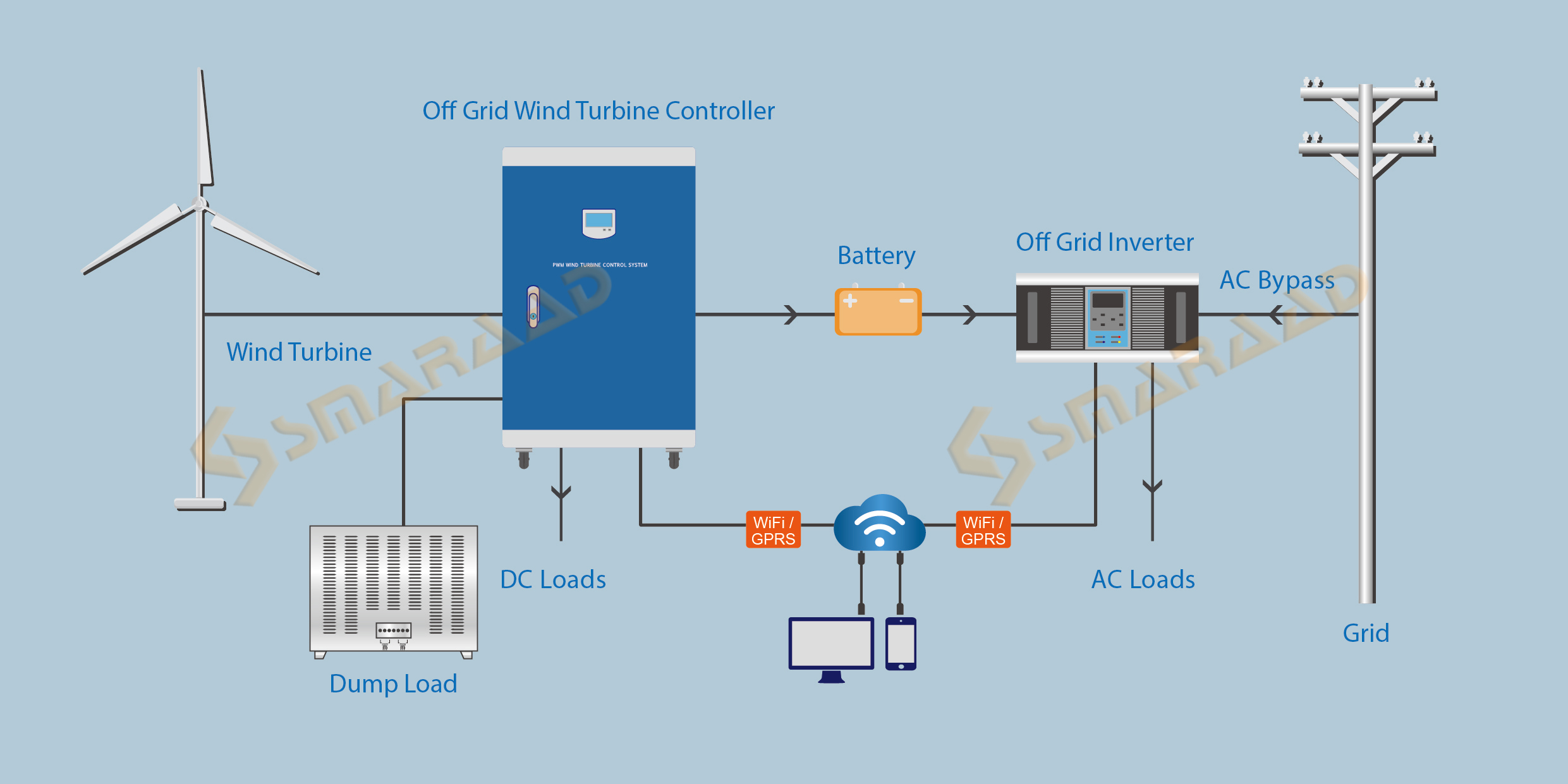
Off grid system diagram
ADVANTAGES OF OFF-GRID SOLAR SYSTEMS 1. NO ACCESS TO THE UTILITY GRID Off-grid solar systems can be cheaper than extending power lines in certain remote areas. Consider off-gird if you’re more than 100 yards from the grid. The costs of overhead transmission lines range from $174,000 per mile (for rural construction) to $11,000,000 per mile (for urban construction). 2. BECOME ENERGY SELF-SUFFICIENT Living off the grid and being self-sufficient feels good. For some people, this feeling is worth more than saving money. Energy self-sufficiency is also a form of security. Power failures on the utility grid do not affect off-grid wind systems. On the flip side, batteries can only store a certain amount of energy, and during cloudy times, being connected to the grid is actually where the security is. You should install a backup generator to be prepared for these kinds of situations.