
•High real-time performance and data processing capability
•Intelligent control strategy
•System integration and compatibility
•Safety and warning functions
•Flexible configuration and scalability
More
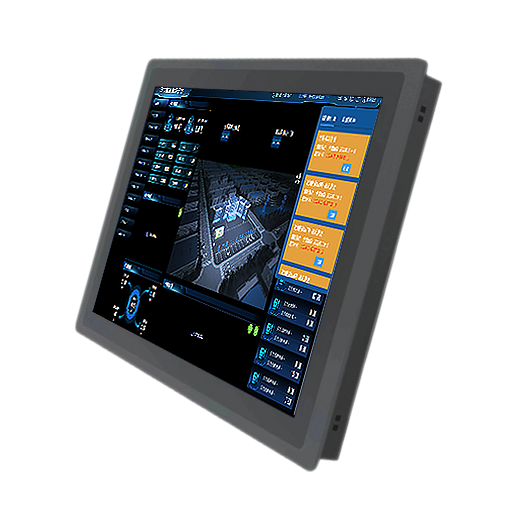
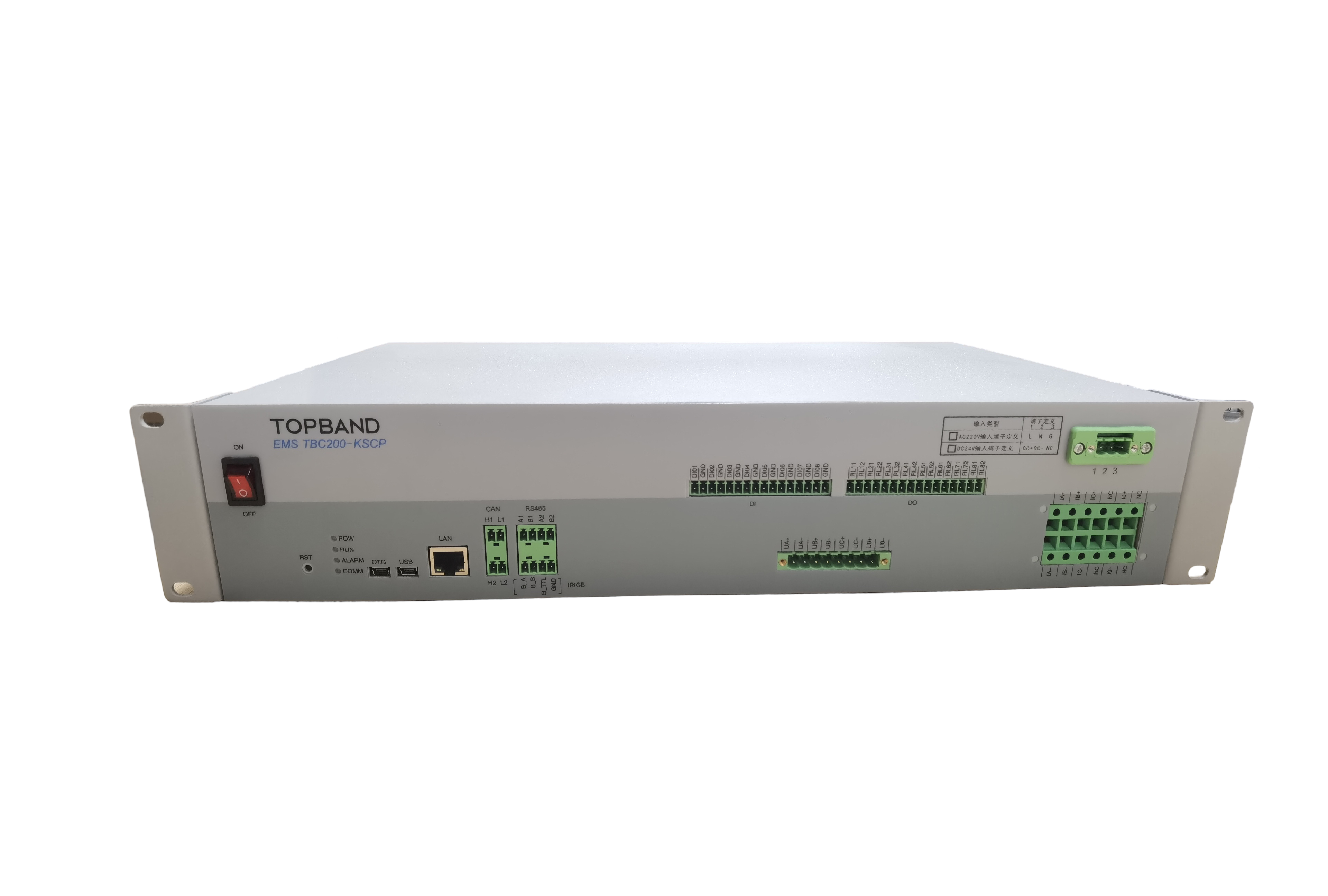
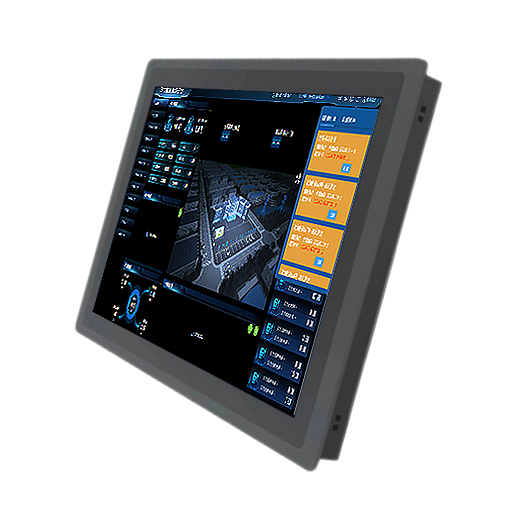
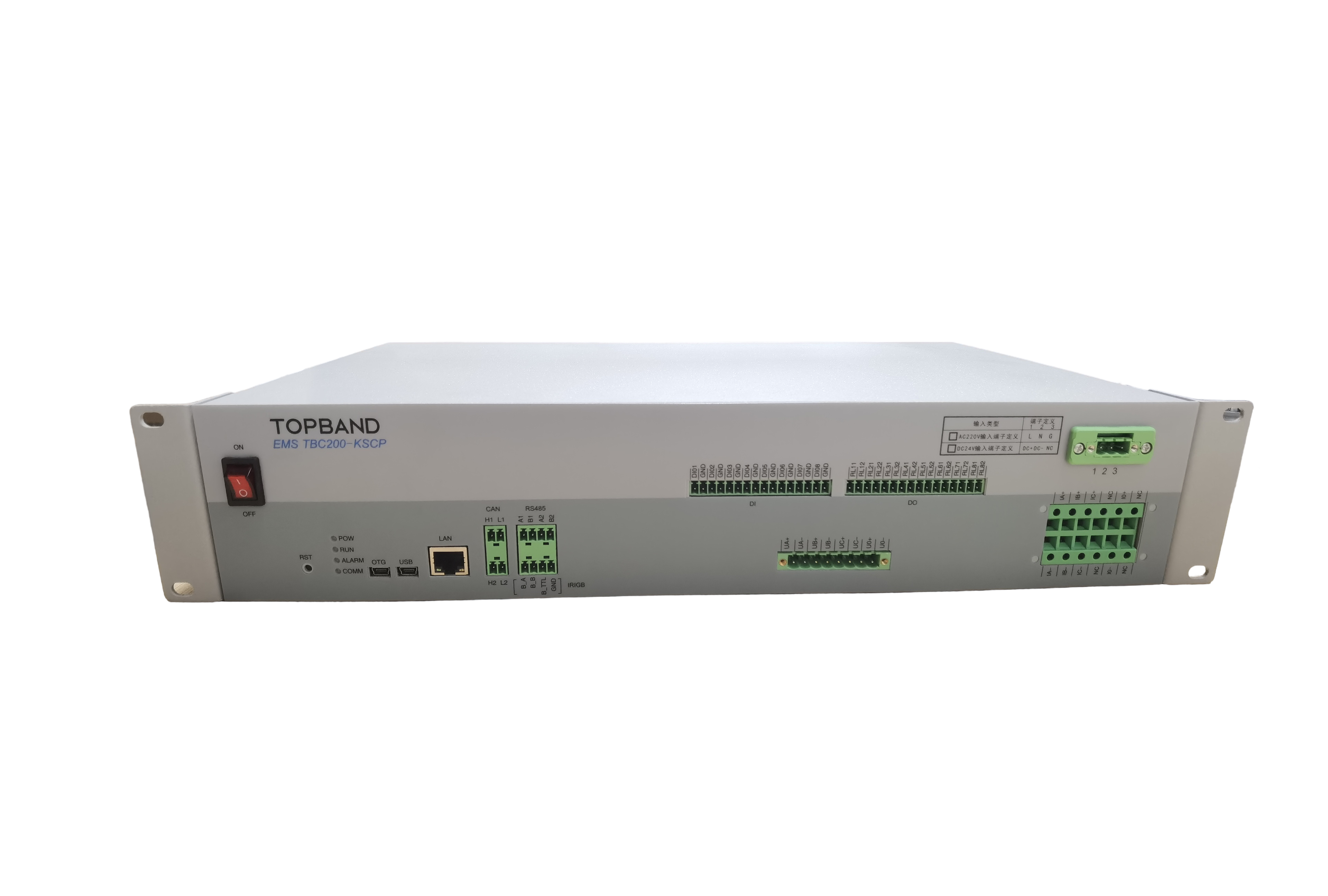
The MW level EMS energy storage controller is the brain of the energy storage system, used to monitor, control, and optimize the energy flow of the energy storage power station. It achieves comprehensive management of energy storage systems through collaborative work with devices such as energy storage inverters (PCS) and battery management systems (BMS).
High real-time performance and data processing capability
Support millisecond level data collection and storage, capable of handling millions of data access, ensuring fast response and efficient operation of the system.
System integration and compatibility
Compatible with multiple types of energy storage batteries (such as lithium iron phosphate batteries, all vanadium flow batteries) and mainstream devices. Supports off grid operation mode and can seamlessly switch with the power grid.
Safety and warning functions
Provide system fault diagnosis and warning functions, support remote monitoring and operation. Support cloud platform functionality to achieve remote monitoring and data management.
Flexible configuration and scalability
Supporting modular design, functional components can be flexibly configured according to different scenarios. Provide rich API interfaces for easy integration with third-party systems.
| Equipment project | Specifications |
| CPU | ARM Cortex series quad core processors |
| Power supply | 12VDC,15A |
| Working power consumption | Under 12VDC, the average power consumption in idle state (no lights on, no 4G communication) is less than 7W; |
| Working temperature | -30℃~+65℃ |
| Storage temperature | -40℃~ +85℃ |
| External dimensions | Maximum external dimensions: 245mm*169mm |
| Short distance wireless | One channel Bluetooth interface, working in basic mode or low-power mode |
| One channel WIFI interface, integrated with Bluetooth on the same module | |
| Wireless 4G | One PCIE can be plugged into a full network 4G communication module, with the option of GPS. |
| SIM card slot | 1 SIM card interface, insert half sized card |
| Network port | 1 separate network segment network port |
| 3 network ports in the same network segment | |
| USB | 2-channel USB |
| 1 OTG USB (for program debugging) | |
| Serial communication | The motherboard (upper layer) is equipped with four RS485 serial ports (switching between sending and receiving signals, requiring the other party to delay sending back for 2ms) |
| The sub board (lower layer) is equipped with four RS485 serial ports (switching between sending and receiving signals, requiring the other party to delay sending back for 2ms) and one RS232 serial port. | |
| Debug UART | Motherboard (upper layer) 1 channel, MINUSB form, can be connected to a PC through a USB cable, super terminal to view debugging information. |
| Sub board (lower layer) with a single-chip microcontroller simulation needle burning 4PIN port holder. | |
| CAN | Motherboard (upper layer) has 2 CAN ports, each equipped with a 120 ohm terminal resistor. CAN1 port is internally connected to CAN1 port of the secondary board. |
| Sub board (lower layer) has 2 CAN ports, each equipped with a 120 ohm terminal resistor, which can be connected or disconnected by the rightmost two positions of the 8-bit dip switch. | |
| Voice | 1 speaker interface, volume less than 1.5W, external 8-ohm speaker. |
| Hard drive | Internally provides SATA signal and 5VDC socket for power supply, and can be optionally connected to a portable hard drive. |
| High definition display port | HDMI Type A socket (HDMI-19plug Type A) with one channel; Reserve a 12VDC power output for one screen. |
| Key | 1 RST reset key, 1 function key |
| Indicator light | 1 power indicator light, 3 status indicator lights |
| Buzzer | Internal 1 |
| TF card holder | 1pcs, used for burning programs |
| RTC | Internal 1, can be equipped with CR2032-3V_200mAh battery for RTC clock power supply |
| State input | Reserve 2 status detection channels (empty node input, the same below) |
| One channel circuit breaker status detection | |
| One channel lightning protection status detection | |
| 2-channel door status detection | |
| One channel smoke detection status detection | |
| One channel water level status detection | |
| One channel fire protection status detection | |
| Switching output | One channel lighting control output, DC12V MAX 1A |
| One channel alarm control output, DC12V MAX 1A | |
| 2-channel DC fan control output, DC12V MAX 1A | |
| One channel trip control output (contact capacity AC250V 3A or DC30V 3A) | |
| One channel fire control output, DC12V greater than 700mA electric start, start pulse maintained for more than 1 second duration | |
| 3-channel external status light control outputs, DC12V maximum 1A | |
| 3-channel reserved relay control output, contact capacity 250VAC 1A | |
| Analog input | 2-channel 0-5V DC analog AD input |
| 2-channel NTC 10K B3950 temperature sensor input | |
| Communication address setting | The sub board has a 6-digit dip switch for setting the communication address of CAN port 1, which is used by default to communicate with the main board |
| Digital temperature sensing | There is a DS18B20 digital temperature sensor on the secondary board, which is used to measure the internal air temperature of the device. |
| Cloud management platform | Support |
| Network timing | Support NTP/RTC clock synchronization |