China
China


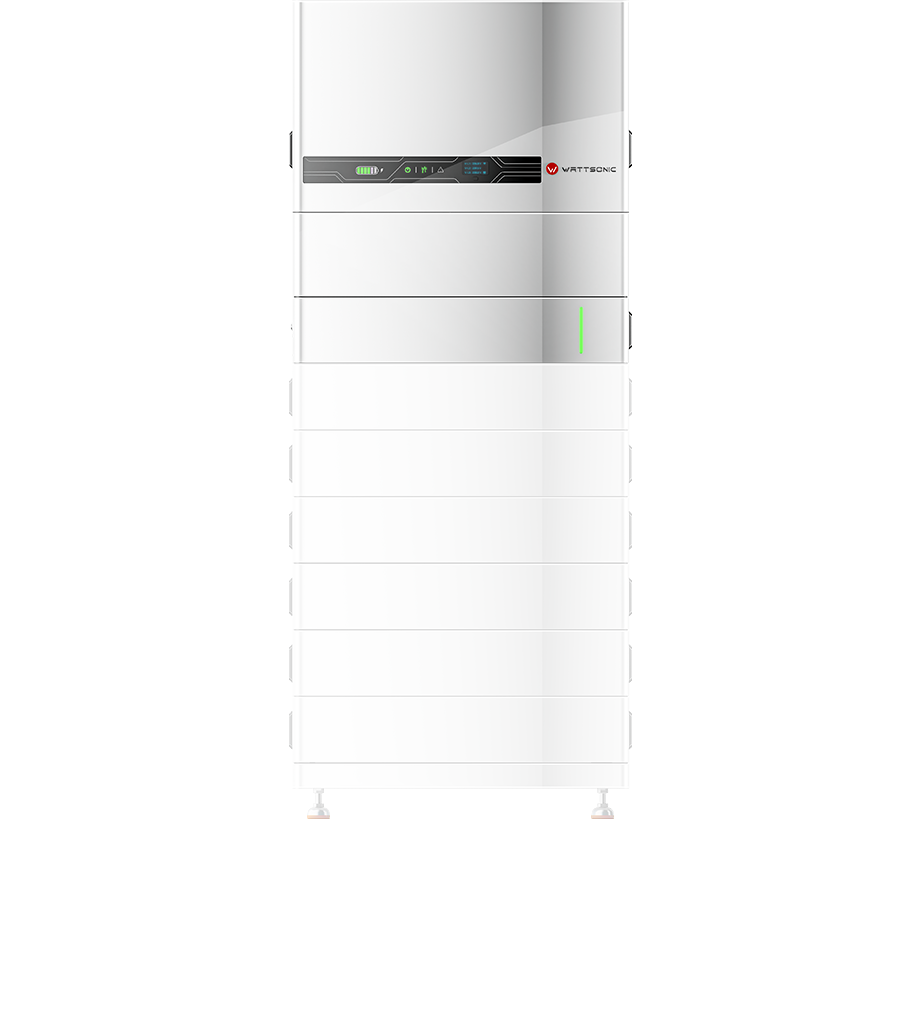

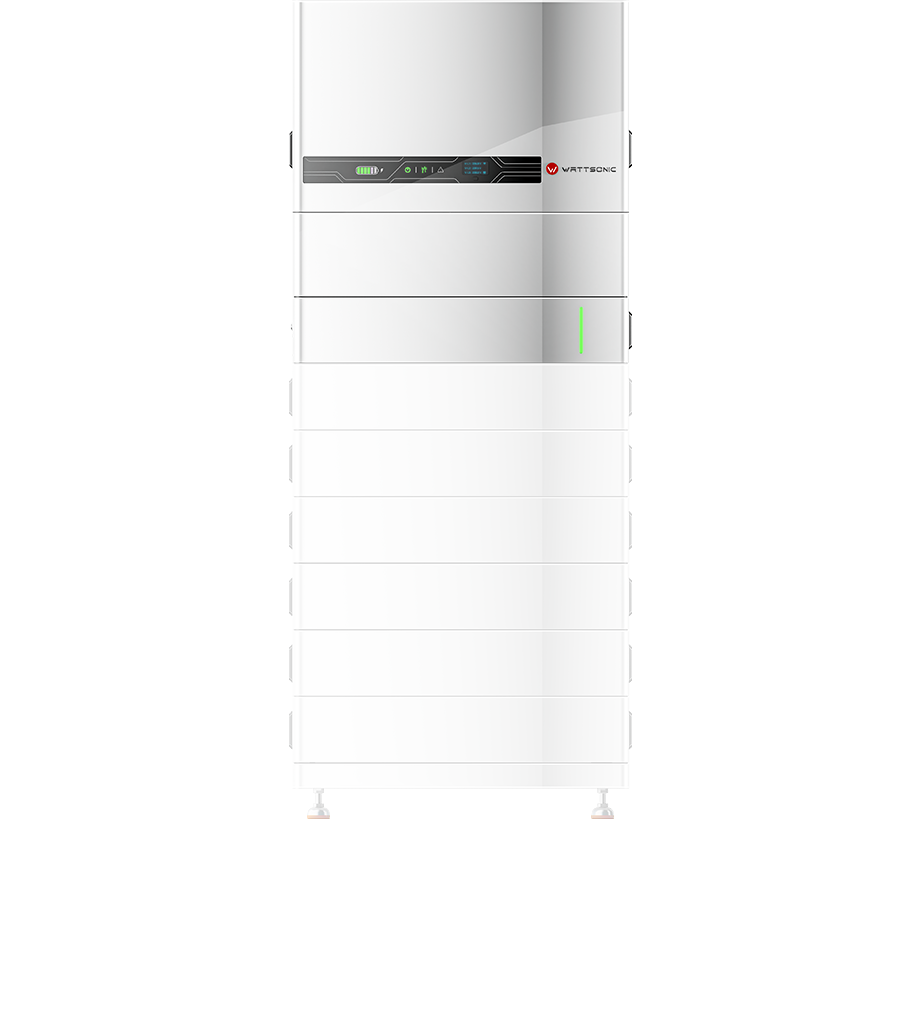
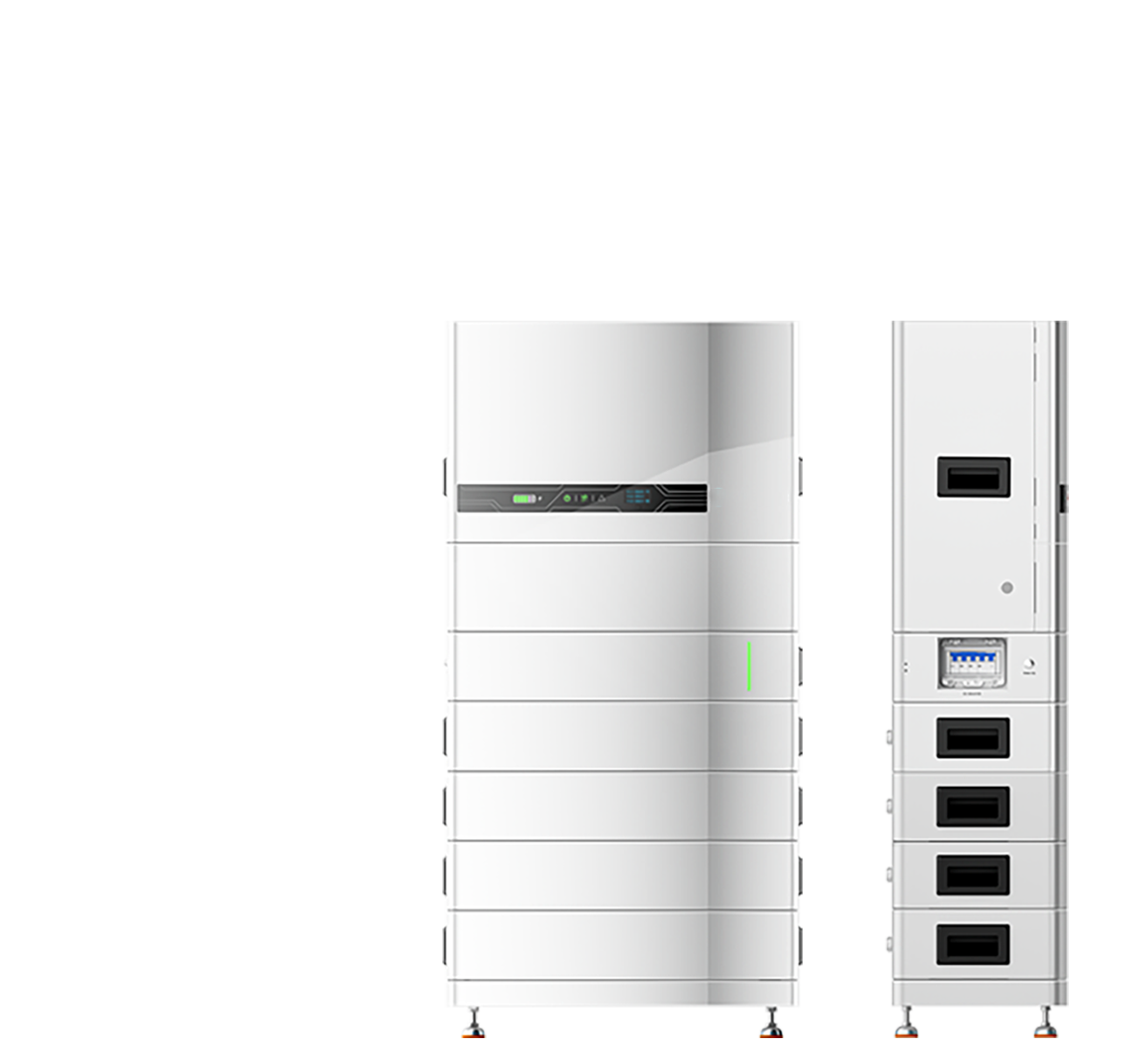
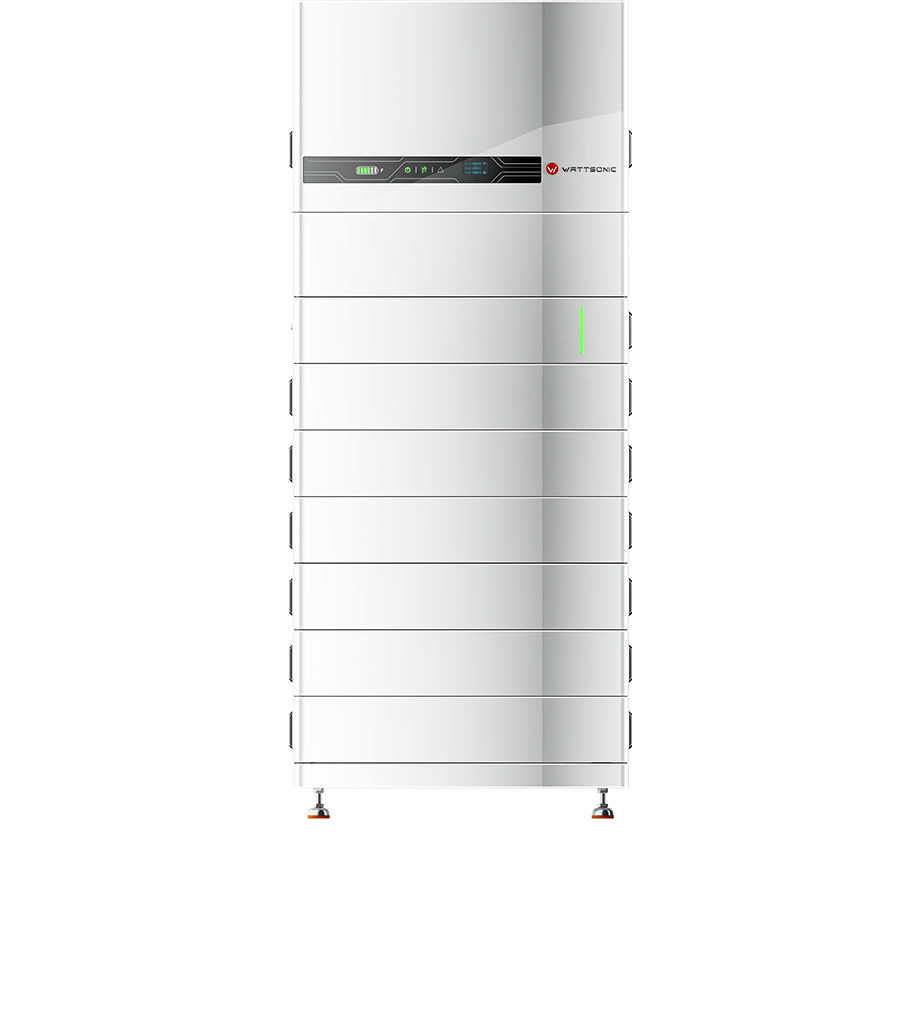
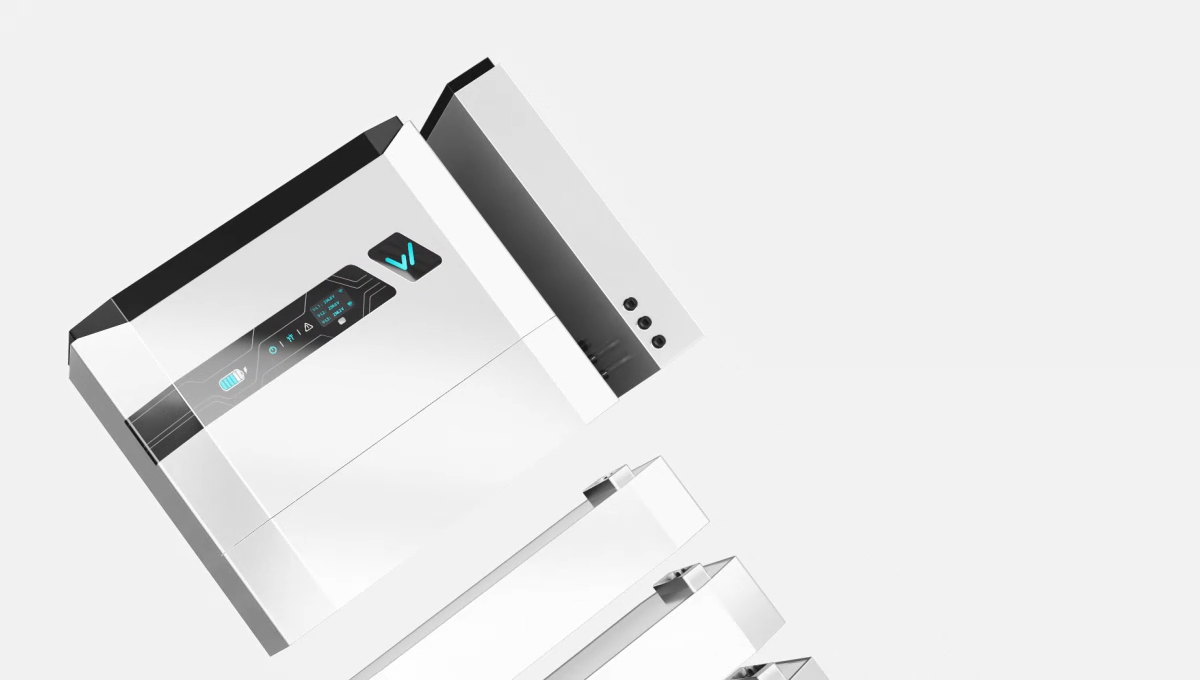
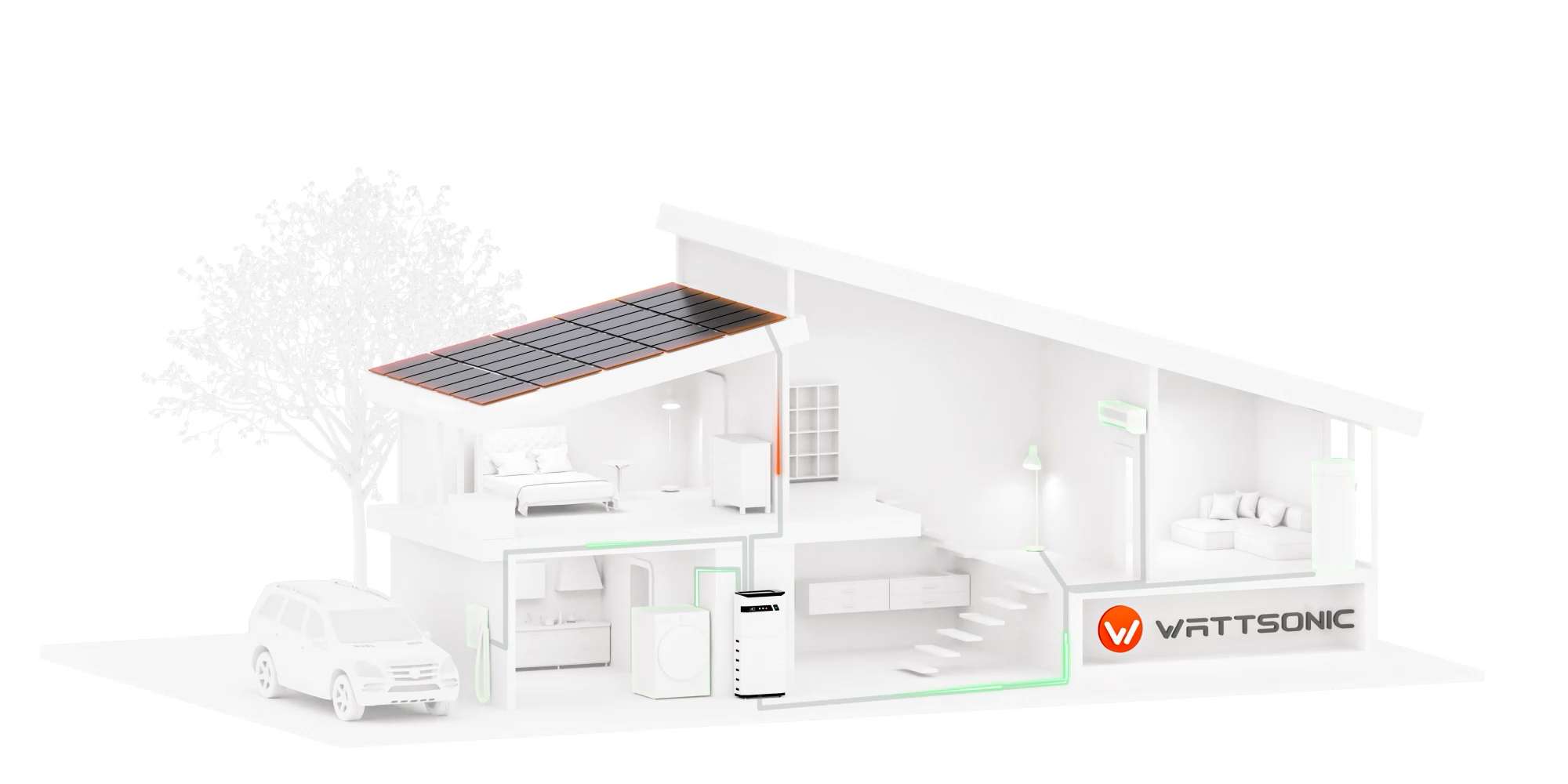
The Wattsonic Li-HV Residential Three-Phase AIO Series integrates the inverter, BMS, and batteries into one system, supporting PV and grid inputs for reliable power. It easily integrates with heat pumps, EV charging, and the WattDesk Cloud platform. With scalable input energy from 6 kW to 20 kW and up to 92 kWh of storage, it adapts to various energy needs and offers full customization in power, capacity, and appearance.
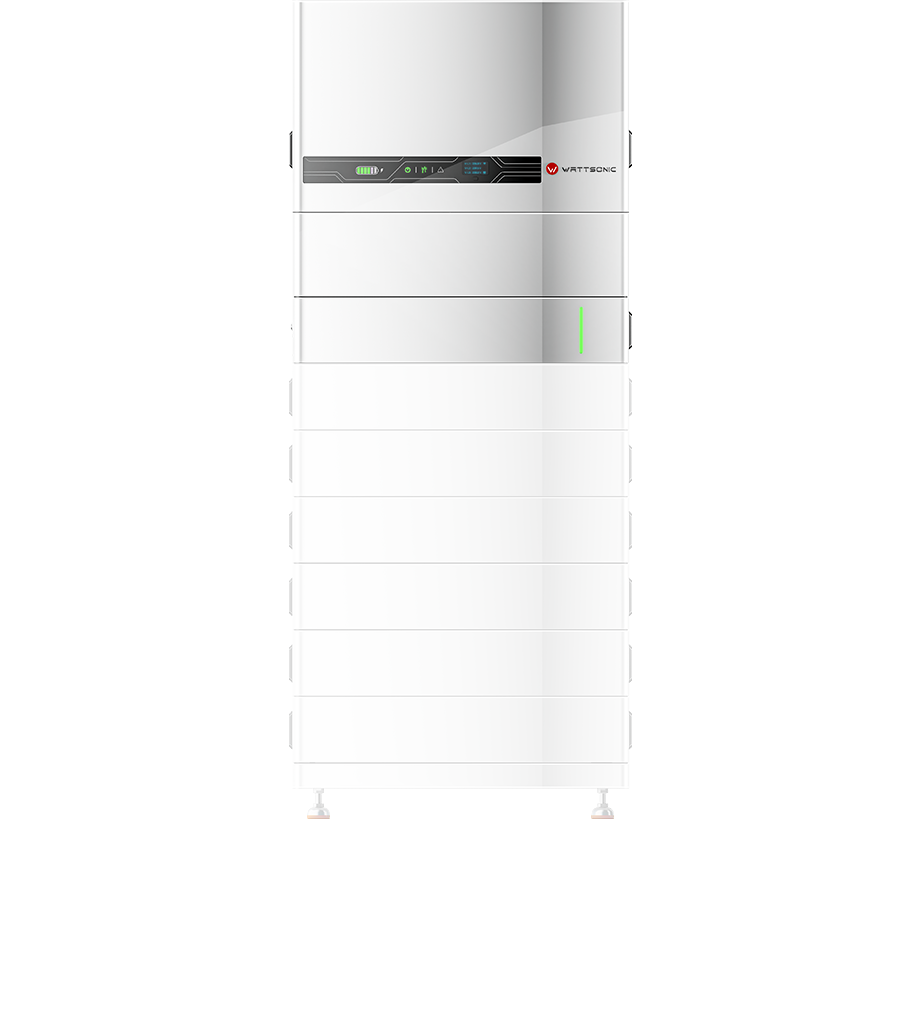
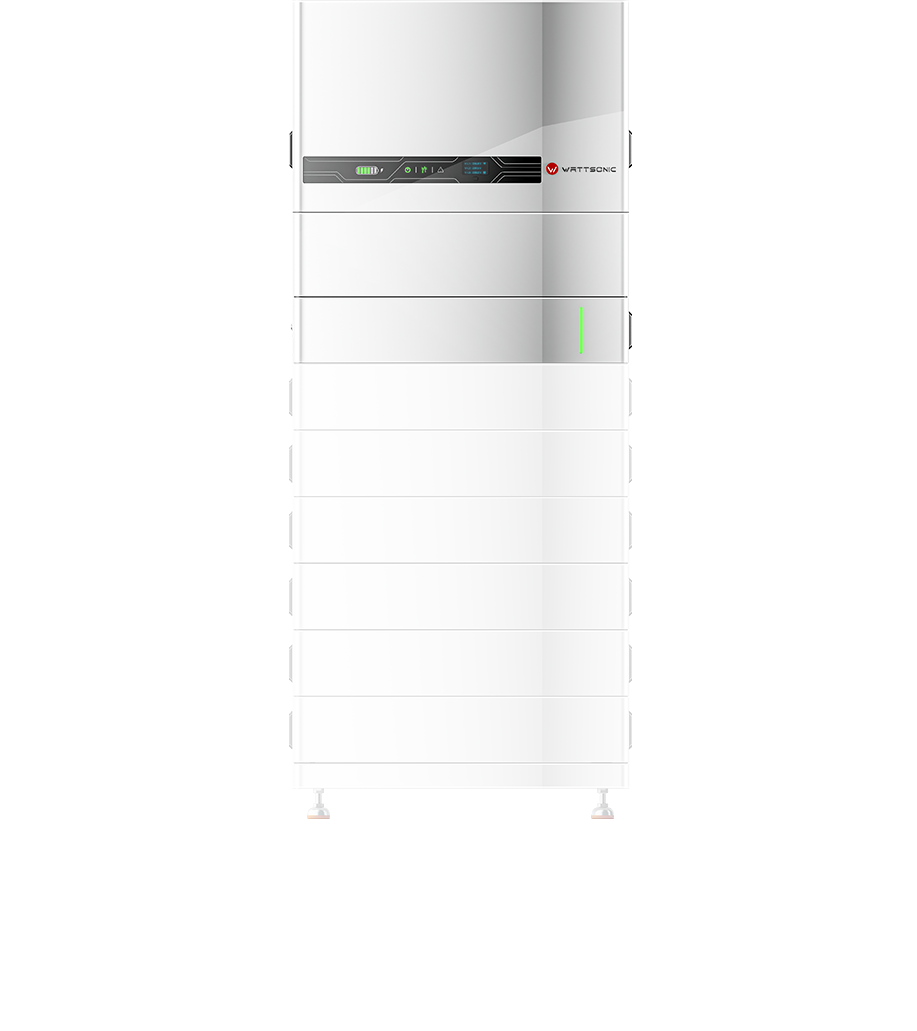
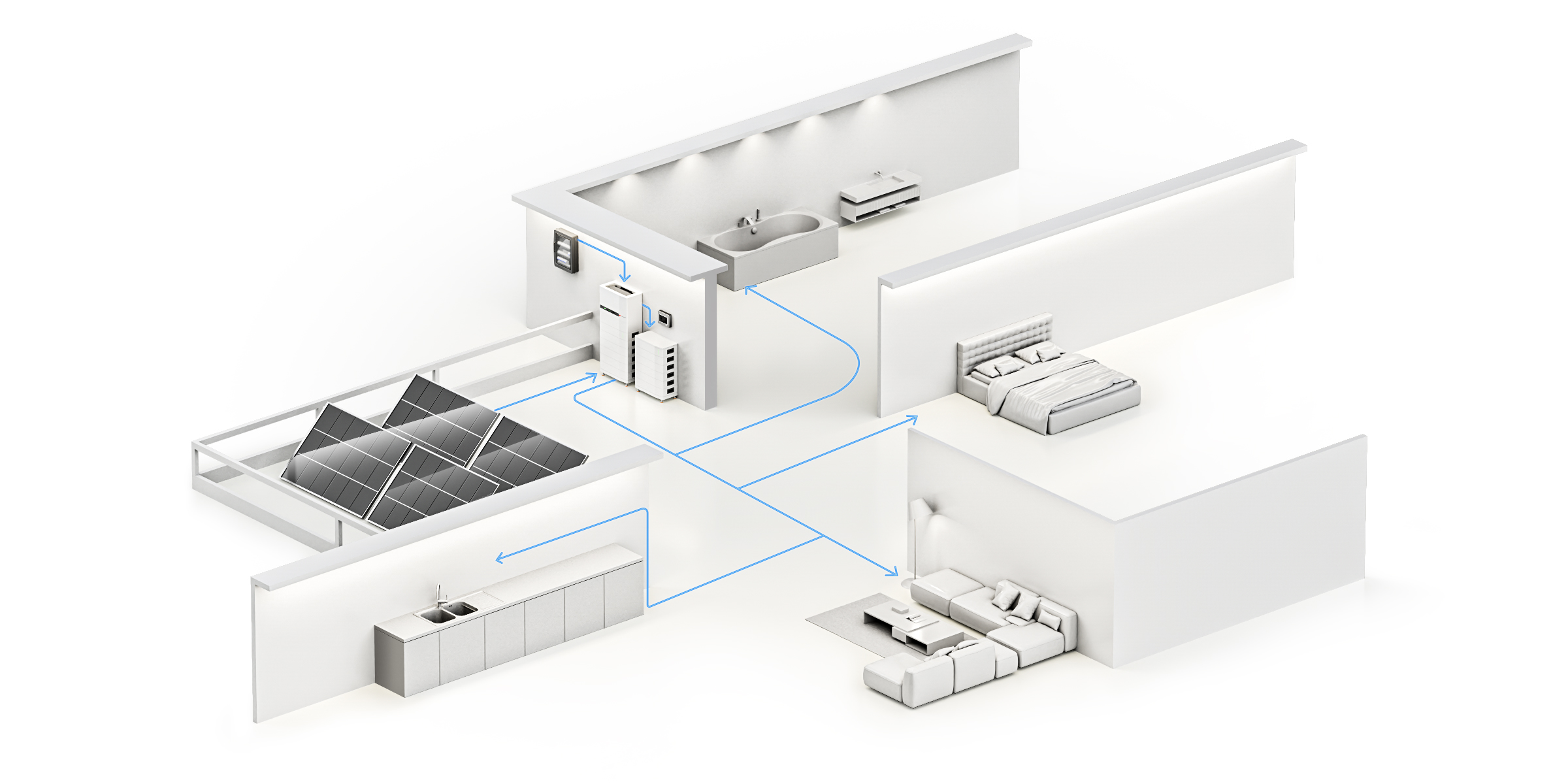
The Wattsonic hybrid inverter can output the direct current (DC) from the rooftop solar PV array into alternating current (AC), so your home or business loading can use it directly.
READ MORE
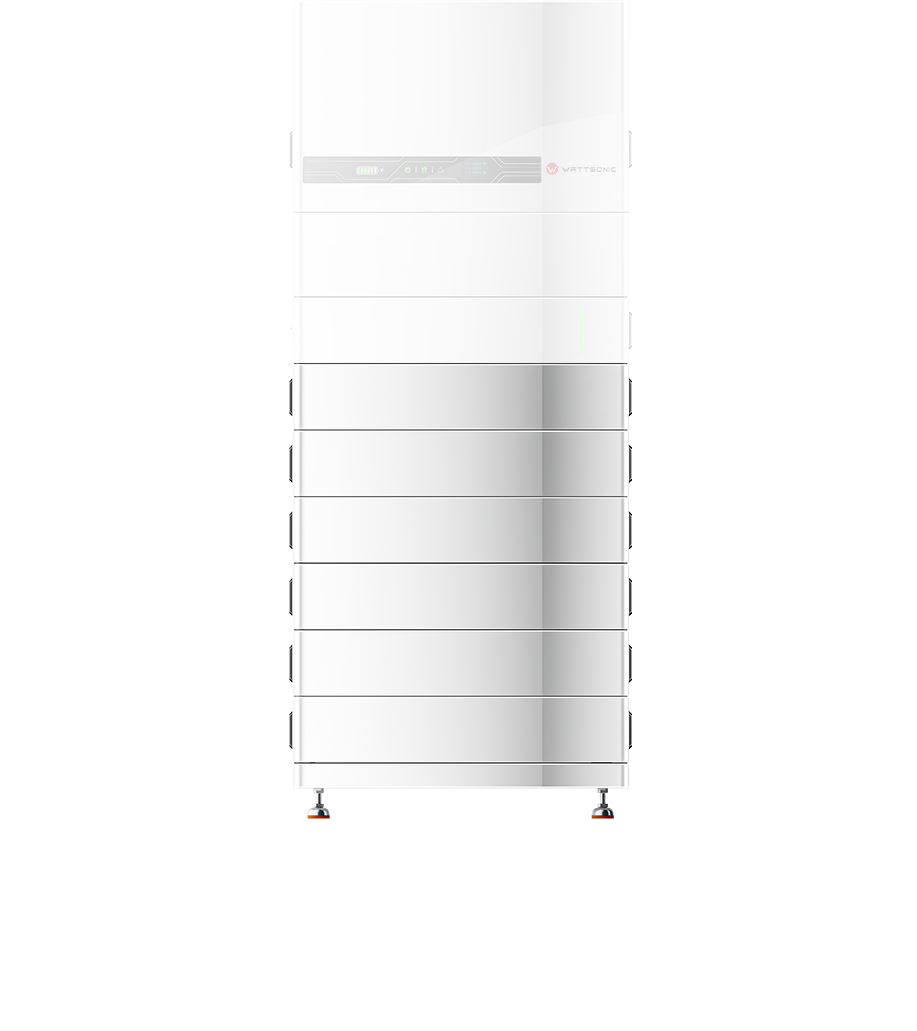
The Master BMS can monitor the state of the whole battery system in real time, and keep communication with inverter to adjust charge/discharge and protection strategy dynamically according to the real-time battery running state.
READ MORE
Wattsonic high voltage battery modules are integrated with slave BMS, keep sensoring the voltage and temperature of each individual cells, and balancing the cells during charge and discharge.
READ MORE
Free from complicated system installation and commissioning.
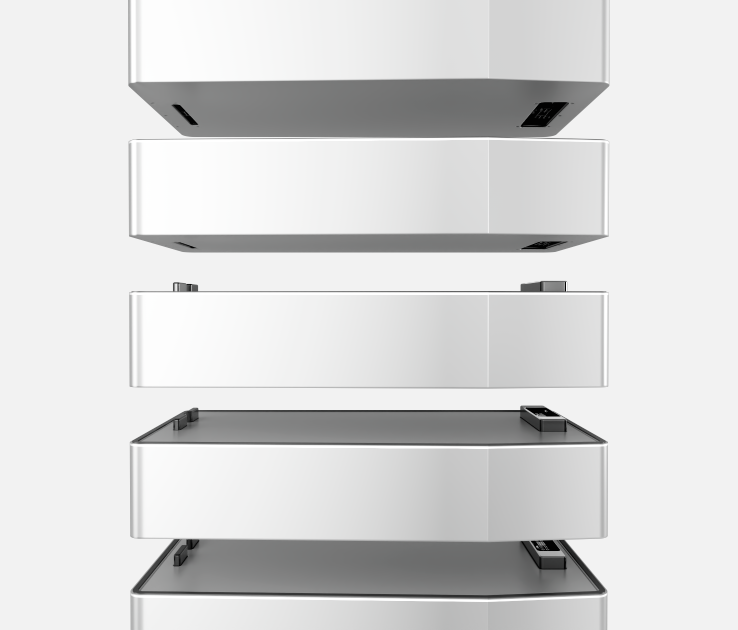
Now you can complete installation with ease and excitement. With its cable-free design, installation is quick and hassle-free, eliminating the need for complex wiring. This series provides a seamless, plug-and-play solution for homeowners. The modular design ensures easy scalability, allowing you to expand your system as your energy needs evolve. Enjoy a convenient and reliable way to store and use solar energy, with minimal setup and maximum flexibility.
The Three-Phase independent control and asymmetric AC output ensure our system meets the unique needs of every area in your home. With no additional effort required, the Wattsonic Li-HV Residential Three-Phase AIO Series handles all the intelligent processing for you.

IP65 protection degree

100% three-phase unbalanced output

Easy WiFi configuration via app

Support EMS integrated

WattDesk Cloud one-stop management integrated

Real-time data insight with every second
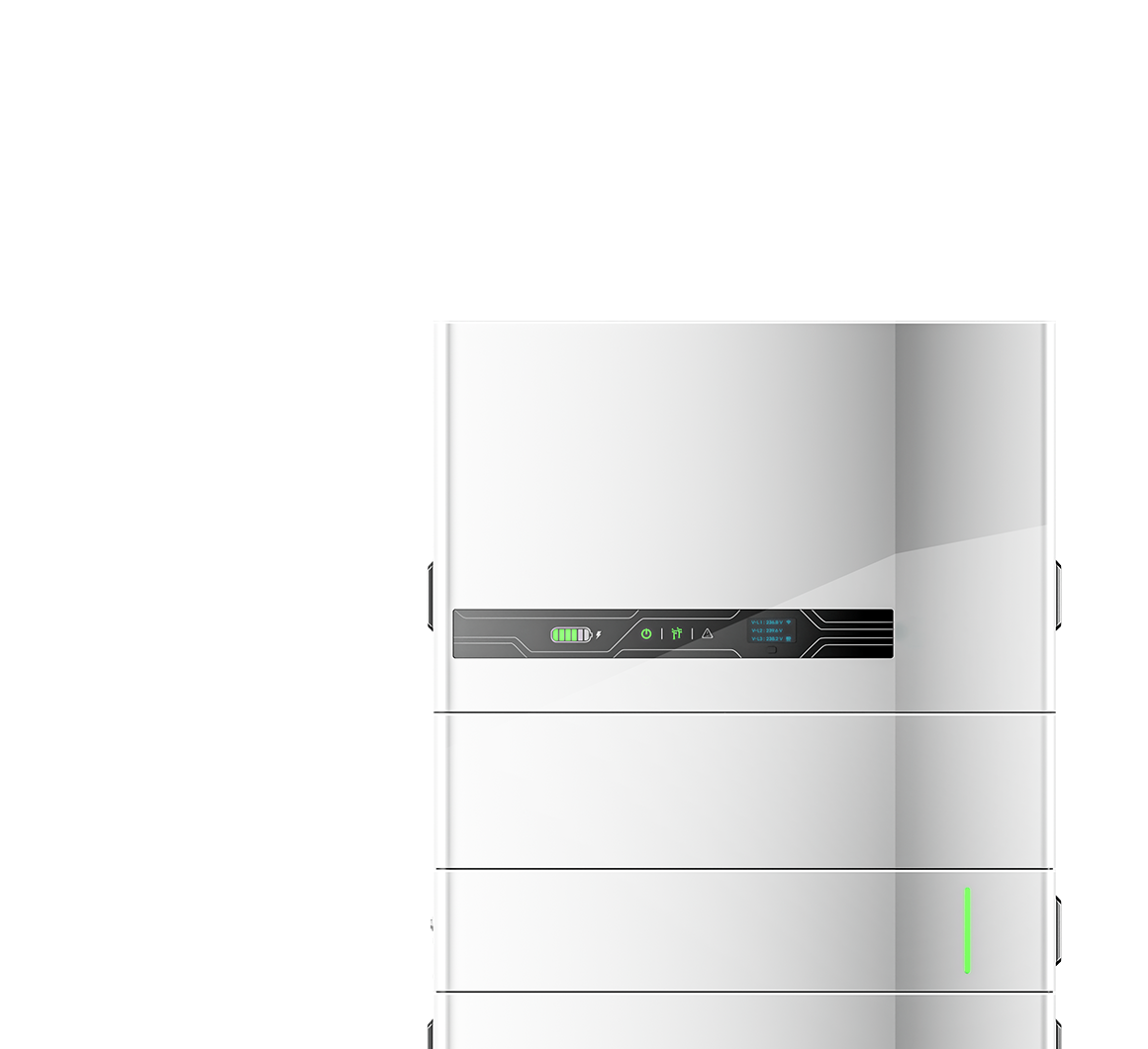
Intuitive display interface
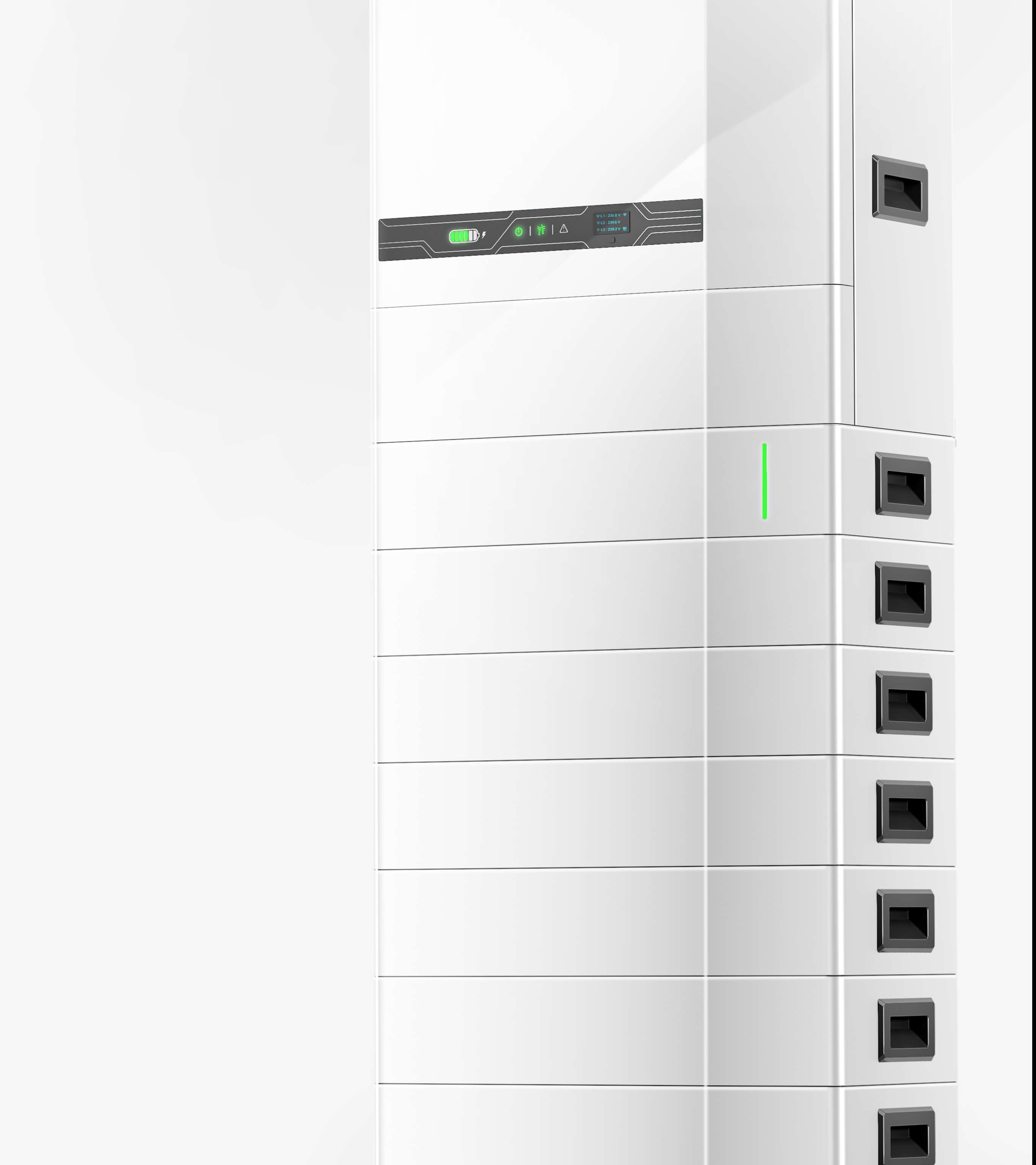
Battery SOC and Status Indicator
Battery Module
Grid Indicator
Alarm Indicator
Screen
Seamlessly monitor and optimize your energy via WattDesk Cloud
Integrated smart EMS support various power applications
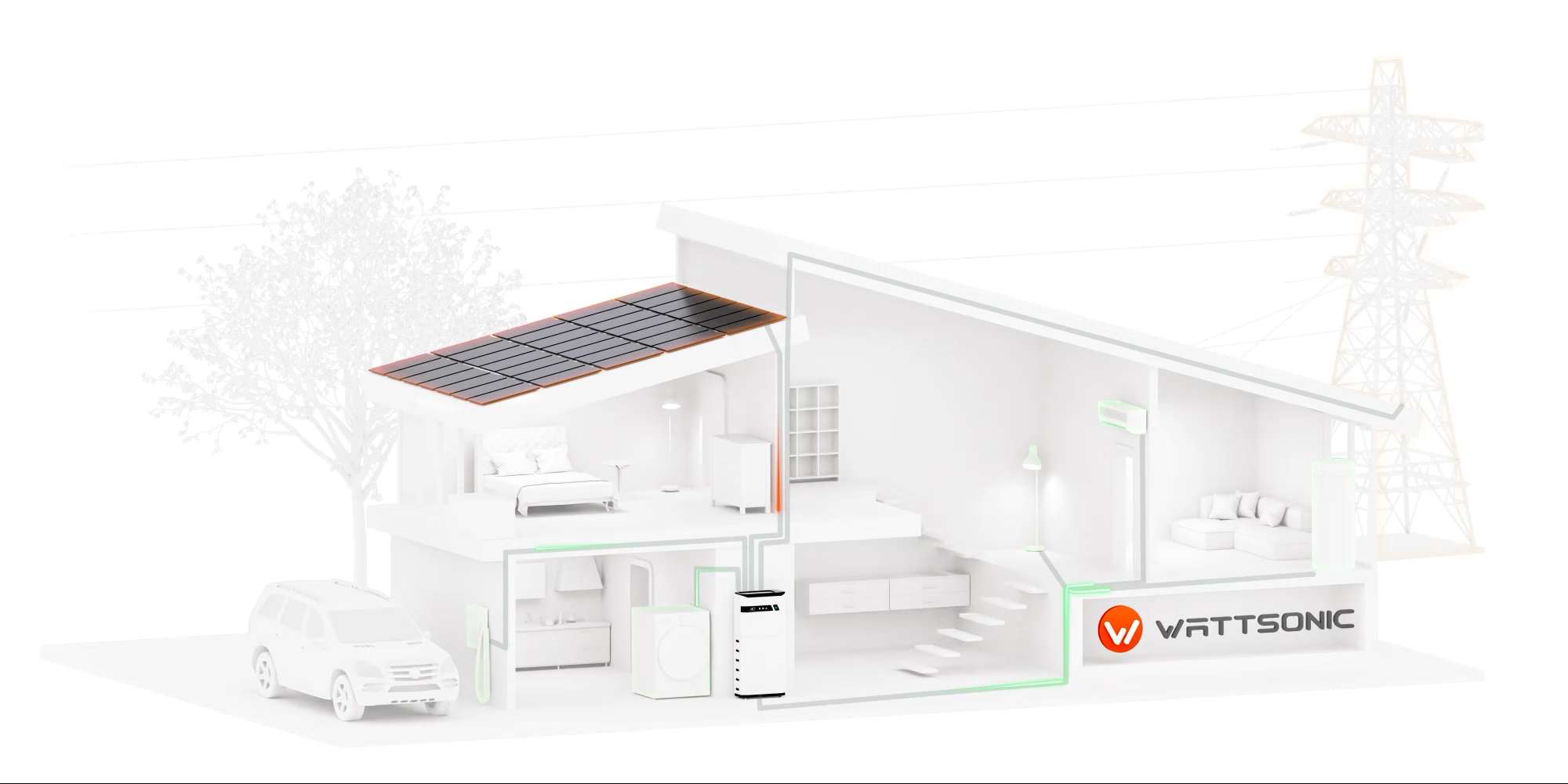


General Mode
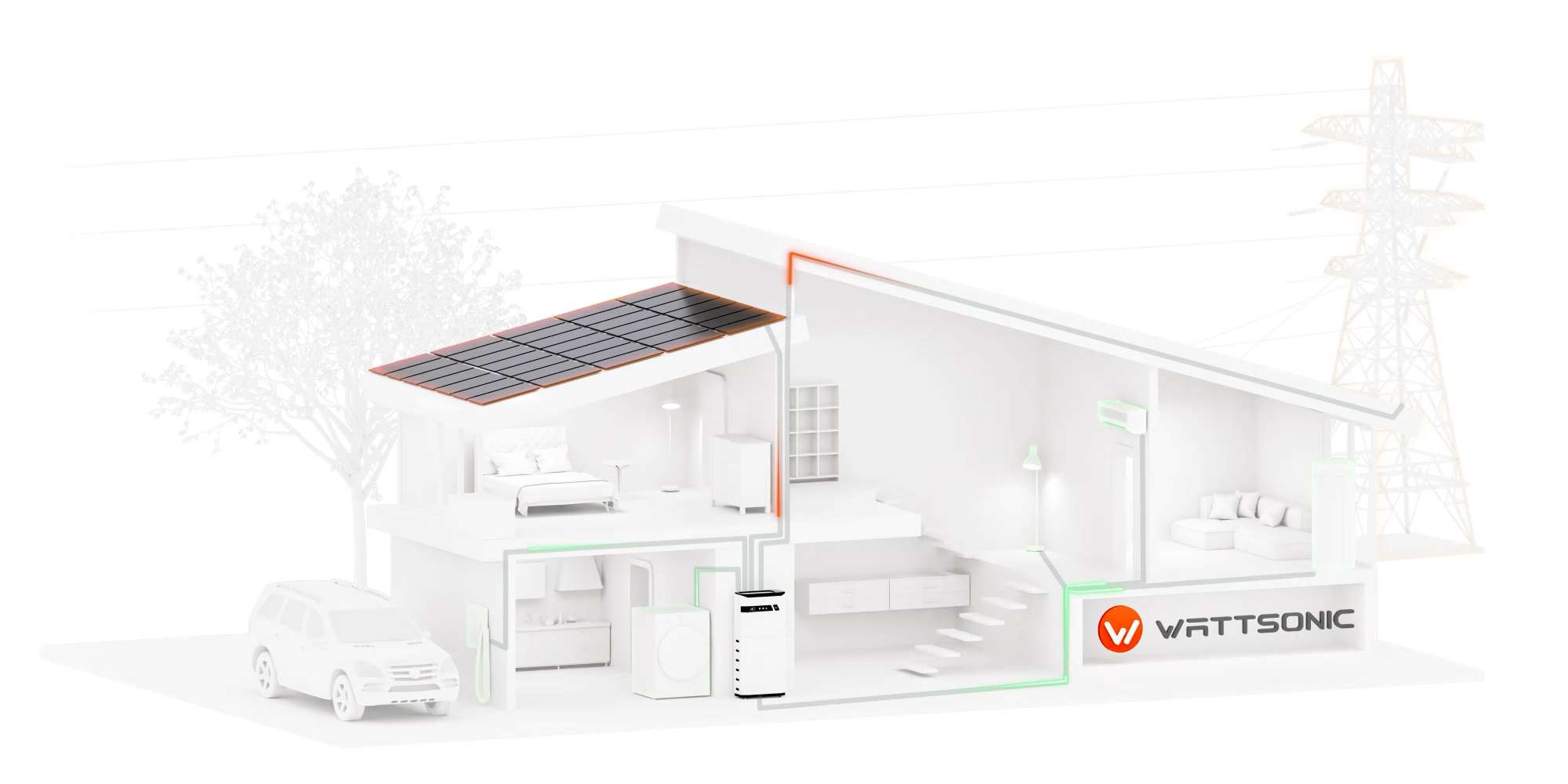
Peak Load Shifting
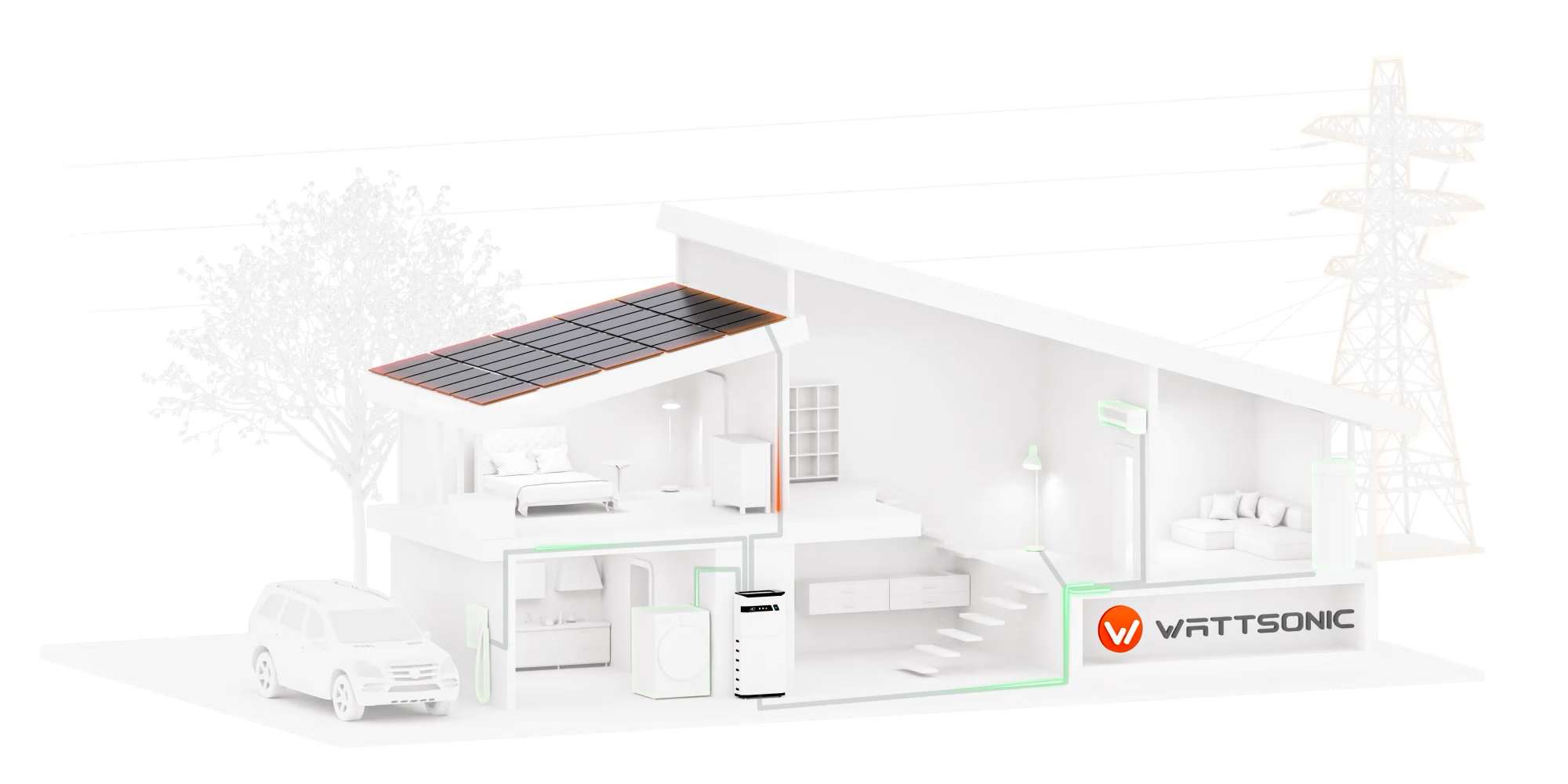
UPS Mode
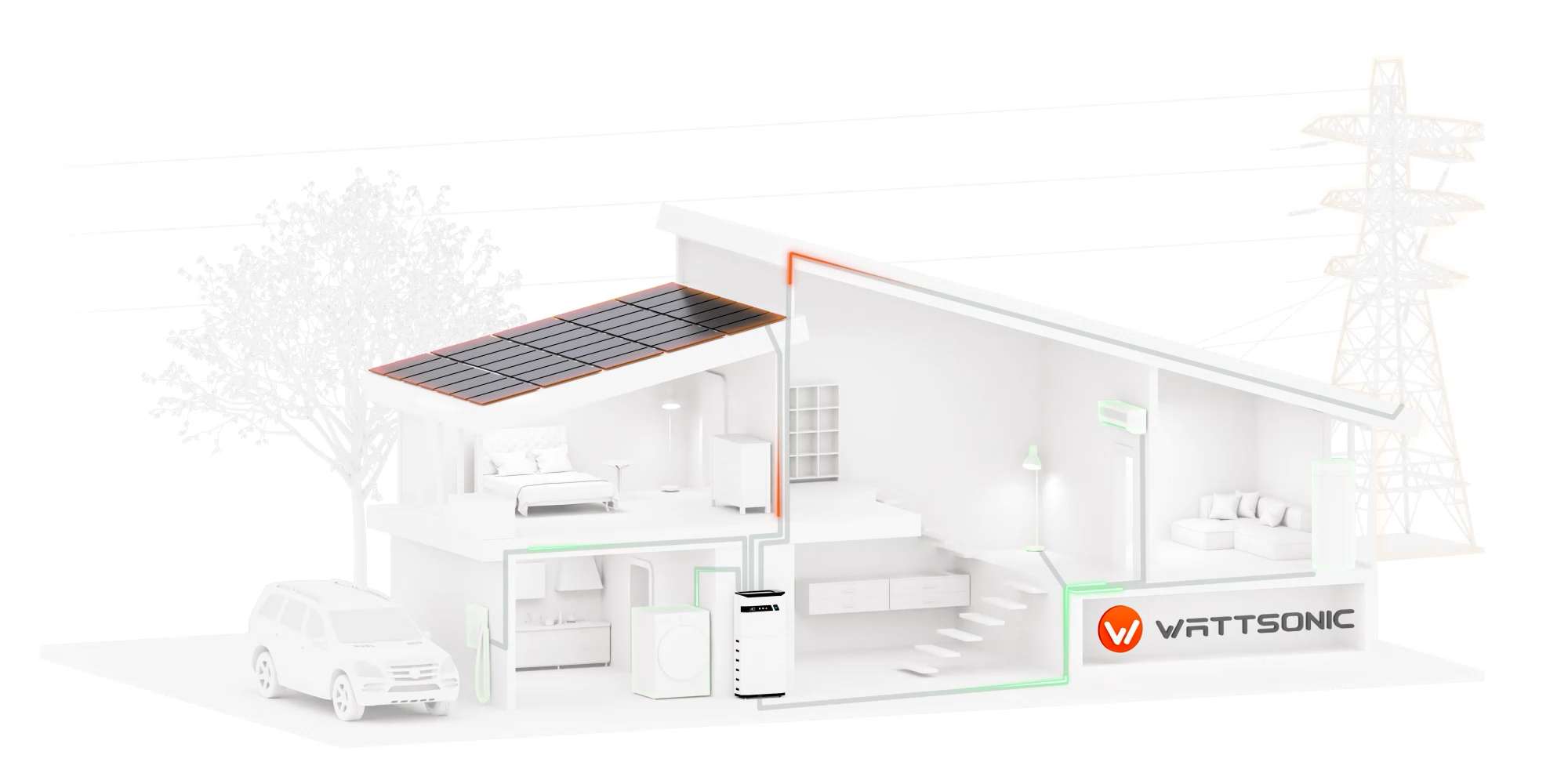
Economic Mode
Off-grid Mode
In this working mode, when the power from the PV array is sufficient, PV power will supply the loads, battery, and grid in the order of loads first, battery second, and grid last.
(You can set the power to the grid to 0W when the local grid doesn’t allow inverter power to feed to the grid).
When the PV power is insufficient, the battery will discharge to supply loads, and the grid will join in if the battery is not enough to supply loads.
Set the maximum power Pmax (kVA) contracted with the grid.
When the load consumption is less than the Pmax, the PV will charge the battery first, and the grid supplies the load. When the battery is full, PV will supply the load together with the grid, but the battery doesn't.
When the load consumption exceeds the Pmax, the inverter will take power from the battery and PV to supply power to the load to compensate for the power that exceeds the Pmax.*To realize the “Peak load Shifting” function, the load power that exceeded Pmax has to be within the inverter max output power, otherwise, the inverter will only output the max power which allowed.
In this working mode, the inverter will use the power from PV or grid to charge the battery until it is fully charged, and as long as the grid is there, the battery won’t discharge.When the grid fails, power from PV and battery will supply loads connected on the back-up side (UPS).
In this working mode, you can set charge/dis-charge power and time in the App, inverter will use the power from PV or grid (whether to use can be set in the App) to charge the battery in the predetermined period.Inverter will use power from PV and battery to supply loads in the predetermined period and the insufficient part will be supplied by the grid.
In the purely off-grid mode, power from PV will supply the back-up loads first and then charge the battery if there's surplus power.When the power from PV isn’t enough, the battery will discharge to supply back-up loads together with PV.
There is a large power fluctuation on battery charge/discharge.
Check the following items:
1.Check if there is a fluctuation on load power;
2.Check if there is a fluctuation on PV power on Wattsonic Portal.If everything is ok but the problem persists, please contact Wattsonic local technical service center.
SOC changed after restart the system.
When restarting the system, SOC only depends on the battery voltage. After a whole charging and discharging process, SOC will be accurate.
The user manual is lost.
Please go to the download center of Wattsonic official website to download the relevant type of Online user manual. If you can’t download, please contact Wattsonic technical local service center.
Some accessories are missing.
If there are any missing accessories during installation, please check the accessory list to check the missing parts and contact your dealer or Wattsonic local technical service center.
The inverter doesn’t work or the screen has no display.
Please check if there is DC power from PV panels, and make sure the inverter itself or external DC switch is on. If it is the first installation, please check if the "+” and "-” of DC terminals are connected inversely.